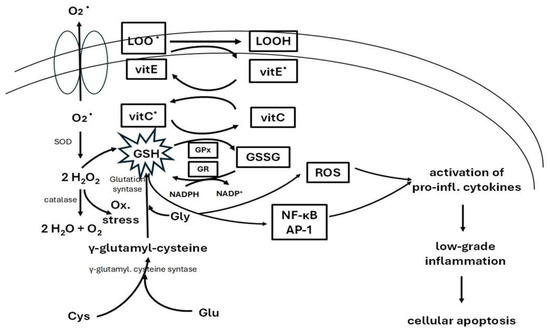




-
Glutathione-Mediated Redox Regulation of Immune Dysfunction in COVID-19 and Tuberculosis -
Essential Oils as Antioxidants: Mechanistic Insights from Radical Scavenging to Redox Signaling -
Traffic-Related Emissions Induce Angiotensin II-Dependent Oxidative Stress in the Hippocampus of ApoE-Null Male Mice
Journal Description
Antioxidants
Antioxidants
is an international, peer-reviewed, open access journal related to the science and technology of antioxidants, published monthly online by MDPI. The International Coenzyme Q10 Association (ICQ10A), Israel Society for Oxygen and Free Radical Research (ISOFRR) and European Academy for Molecular Hydrogen Research (EAMHR) are affiliated with Antioxidants and their members receive discounts on the article processing charge.
- Open Access— free for readers, with article processing charges (APC) paid by authors or their institutions.
- High Visibility: indexed within Scopus, SCIE (Web of Science), PubMed, PMC, FSTA, PubAg, CAPlus / SciFinder, and other databases.
- Journal Rank: JCR - Q1 (Chemistry, Medicinal) / CiteScore - Q1 (Clinical Biochemistry)
- Rapid Publication: manuscripts are peer-reviewed and a first decision is provided to authors approximately 18.7 days after submission; acceptance to publication is undertaken in 2.6 days (median values for papers published in this journal in the second half of 2025).
- Recognition of Reviewers: reviewers who provide timely, thorough peer-review reports receive vouchers entitling them to a discount on the APC of their next publication in any MDPI journal, in appreciation of the work done.
- Testimonials: See what our editors and authors say about Antioxidants.
- Companion journal: Oxygen.
Impact Factor:
6.6 (2024);
5-Year Impact Factor:
7.3 (2024)
Latest Articles
Probiotic Modulation of Gut Microbiota: Antioxidant Mechanisms and Clinical Benefits in Obesity and Type 2 Diabetes Management
Antioxidants 2026, 15(6), 727; https://doi.org/10.3390/antiox15060727 (registering DOI) - 8 Jun 2026
Abstract
Obesity and type 2 diabetes mellitus (T2DM) represent intertwined global epidemics driven by gut dysbiosis, chronic inflammation, and impaired SCFA production, identifying the microbiome as a therapeutic target. This review synthesizes mechanistic insights and clinical evidence on the role of probiotics as microbiome
[...] Read more.
Obesity and type 2 diabetes mellitus (T2DM) represent intertwined global epidemics driven by gut dysbiosis, chronic inflammation, and impaired SCFA production, identifying the microbiome as a therapeutic target. This review synthesizes mechanistic insights and clinical evidence on the role of probiotics as microbiome modulators in the management of metabolic disease. A comprehensive literature search across PubMed, Scopus, Web of Science, and Google Scholar up to May 2026 identified ~230 records using keywords such as probiotics, SCFAs, obesity, and T2DM; a narrative synthesis integrated preclinical, RCT, and meta-analytic data without formal pooling due to heterogeneity. Probiotics restore eubiosis via strain-specific mechanisms, Lacticaseibacillus rhamnosus GG enhances tight junctions (ZO-1), Bifidobacterium breve BBr60 boosts butyrate cross-feeding, and pasteurized Akkermansia muciniphila remodels bile acids (FXR/FGF19), activating G-Protein Coupled Receptor 41 (GPR41)/43-GLP-1 signaling, Treg expansion, and NF-κB suppression. Beyond immunometabolic effects, probiotics mitigate obesity- and T2DM-related oxidative stress by upregulating endogenous antioxidant enzymes (e.g., SOD, catalase, GPx), modulating Nrf2/Keap1 signaling, and reducing lipid peroxidation and other oxidative stress markers in experimental and clinical settings. Meta-analyses of RCTs reveal modest benefits: BMI reductions (~0.3 kg m−2), waist circumference (WC) reductions (1–2 cm), HbA1c reductions (0.3–0.4%), and improvements in homeostatic model assessment of insulin resistance (HOMA-IR), especially with multi-strain (>109 CFU day−1, ≥12 weeks) synbiotics. Innovative strategies—synbiotics, postbiotics, AI-tailored consortia, and fermented dairy—address engraftment and response variability. Current guidelines recommend 109–1011 CFU day−1 using multi-strain formulations for 12–24 weeks alongside lifestyle measures, with regimen selection tailored to the dysbiosis phenotype (e.g., NAFLD). Future longitudinal RCTs integrating multi-omics endpoints with AI-driven strain selection should refine—and ultimately individualize—precision probiotic strategies for metabolic therapy.
Full article
(This article belongs to the Special Issue The Interaction Between Gut Microbiota and Host Oxidative Stress)
Open AccessArticle
Crosstalk Between Oxidative Stress, Protein Glycation, and Extracellular Matrix Remodeling in the Skin of Rats with Type 1 Diabetes: Does Insulin Administration Improve Skin Homeostasis?
by
Natalia Dorf, Edyta Gołaś, Cezary Pawlukianiec, Małgorzata Żendzian-Piotrowska, Anna Zalewska and Mateusz Maciejczyk
Antioxidants 2026, 15(6), 726; https://doi.org/10.3390/antiox15060726 (registering DOI) - 7 Jun 2026
Abstract
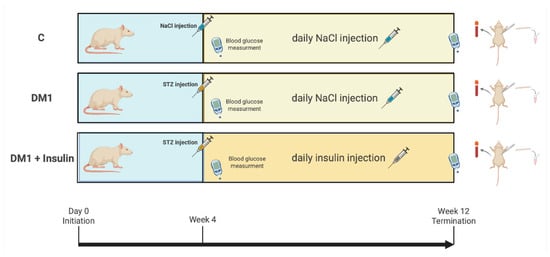
The exact mechanisms of skin involvement in type 1 diabetes (DM1) remain poorly understood. This study aimed to evaluate the relationship between antioxidants, oxidative stress, protein glycation, and glycoxidation, as well as matrix metalloproteinase (MMP) activity, in the skin of rats with DM1,
[...] Read more.
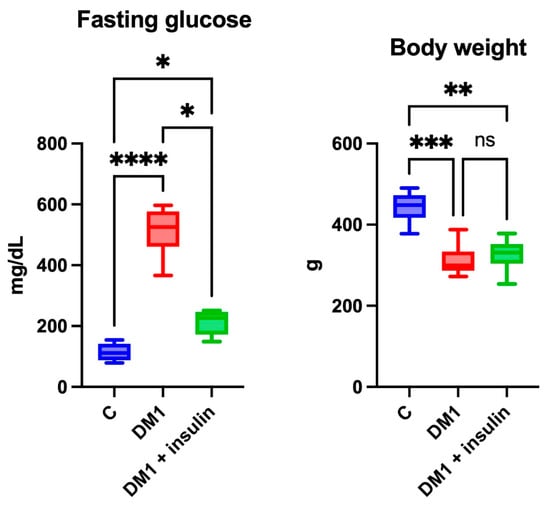
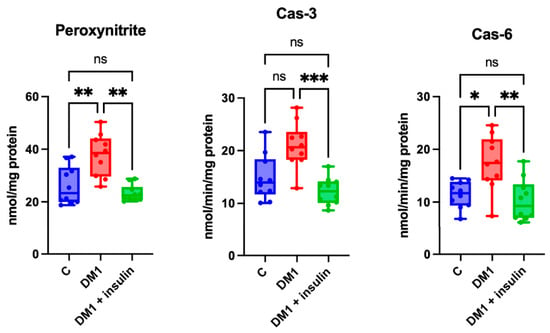
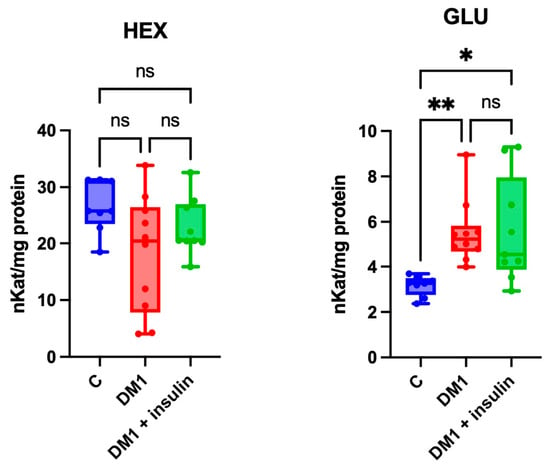
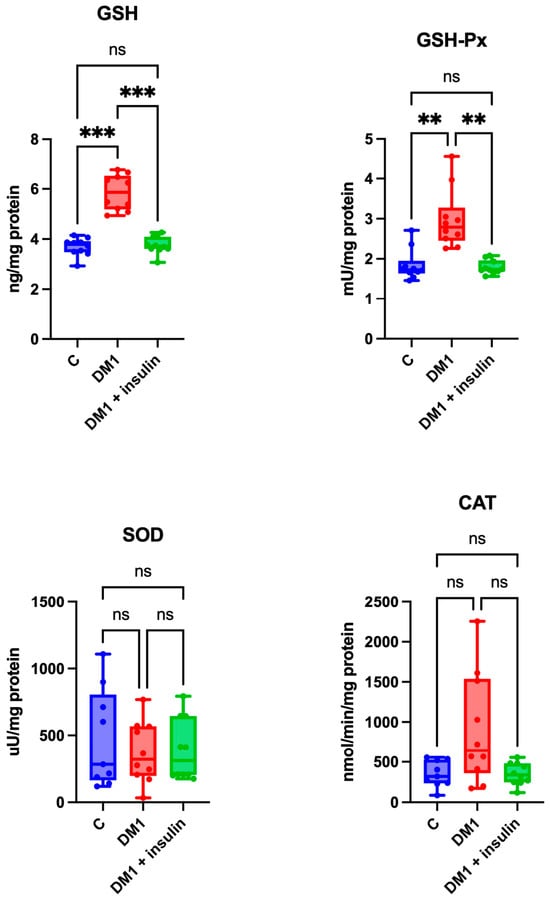
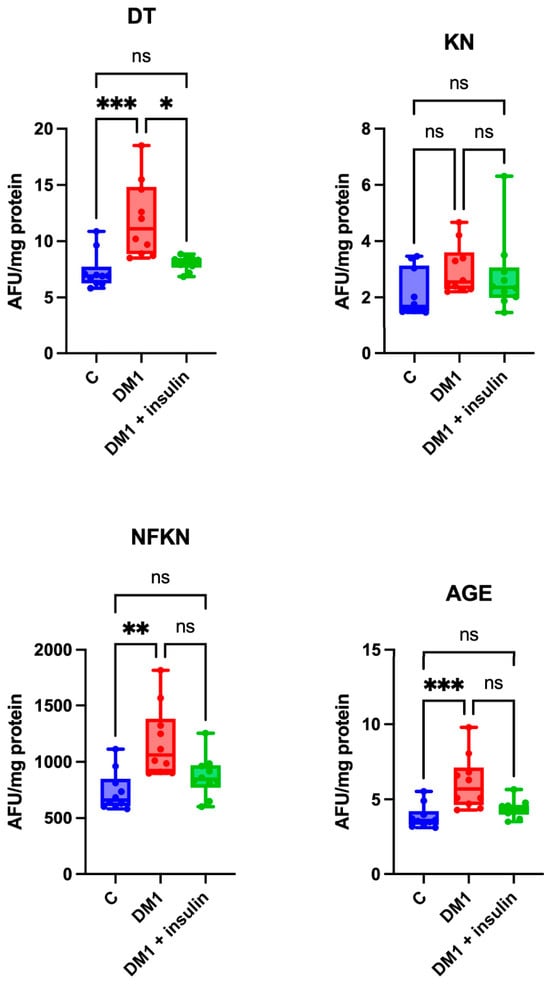
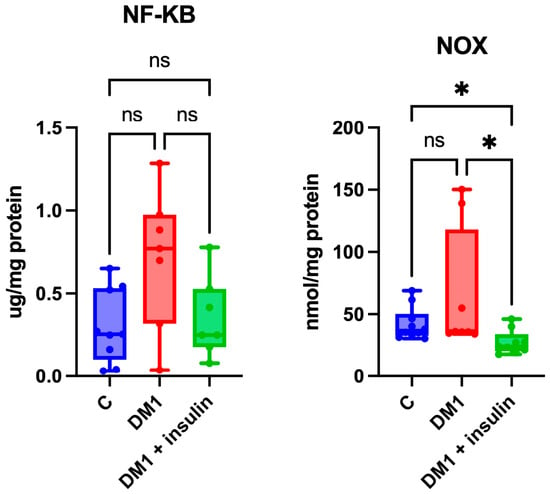
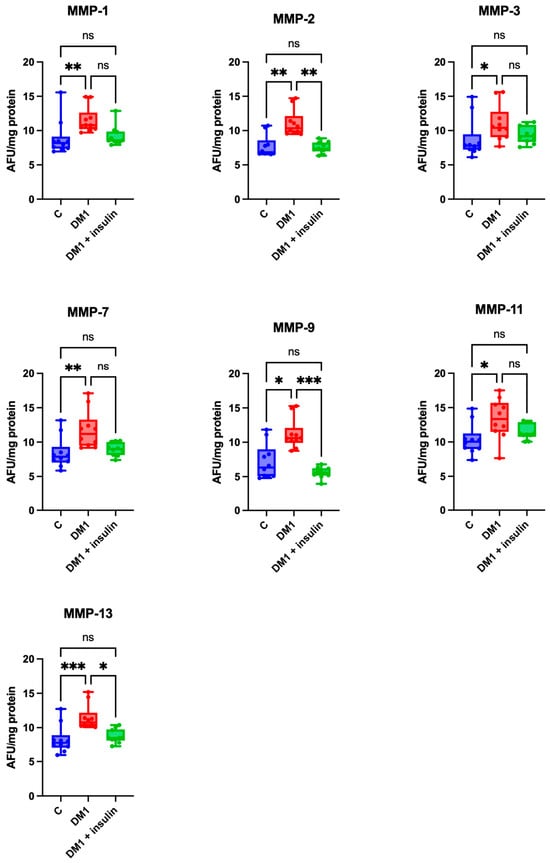
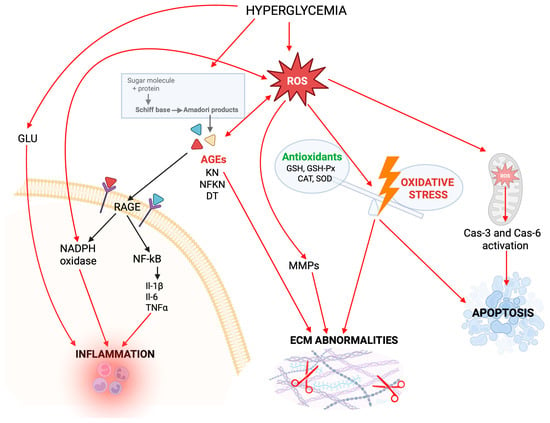
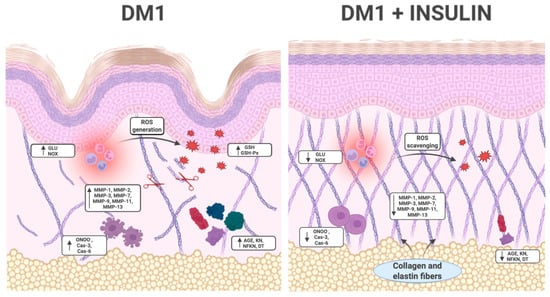
The exact mechanisms of skin involvement in type 1 diabetes (DM1) remain poorly understood. This study aimed to evaluate the relationship between antioxidants, oxidative stress, protein glycation, and glycoxidation, as well as matrix metalloproteinase (MMP) activity, in the skin of rats with DM1, while investigating whether insulin administration improves skin homeostasis. Male Wistar rats were assigned to three groups: control, diabetes, and diabetes treated with insulin. Significantly higher expression of GSH (gluthatione) and GSH-Px (glutathione peroxidase), elevated levels of AGE (Advanced Glycation End products), DT (dityrosine), KN (kynurenine), NFKN (N-formylkynurenine) and ONOO- (peroxynitrite), as well as increased activity of GLU (β-D-glucuronidase), NADPH oxidase (NOX) and MMP-1, -2, -3, -7, -9, -11 and -13 were observed in the skin of rats with DM1. Insulin treatment normalizes the skin’s antioxidant barrier and eliminates oxidative stress. It also reduces the intensity of protein glycation and glycoxidation, though not to the levels observed in the control group. Summarizing, in diabetic skin there is a complex interaction between the thiol antioxidant barrier, oxidative damage, protein glycation and glycoxidation as well as MMP expression. Insulin restores physiological balance in skin cells; however, glycation and ECM remodeling are still more pronounced than in healthy skin.
Full article
(This article belongs to the Special Issue Redox Dysregulation in Metabolic Diseases)
►▼
Show Figures

Figure 1
Open AccessArticle
Statin-Induced Coenzyme Q Deficiency Induces Metabolic Reprogramming in Astrocytes
by
Krzysztof Wojcicki, Lukasz Galganski, Adrianna Budzinska, Grzegorz Figura and Wieslawa Jarmuszkiewicz
Antioxidants 2026, 15(6), 725; https://doi.org/10.3390/antiox15060725 (registering DOI) - 7 Jun 2026
Abstract
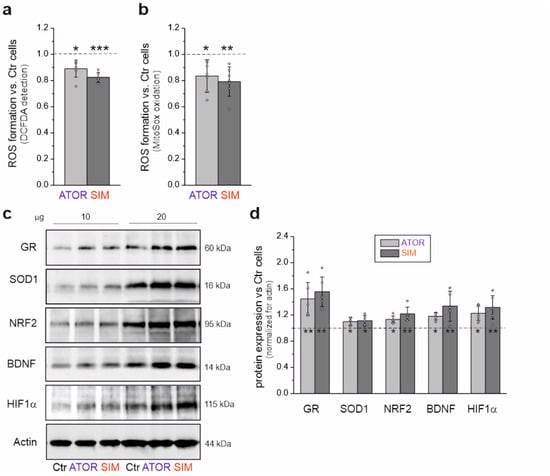
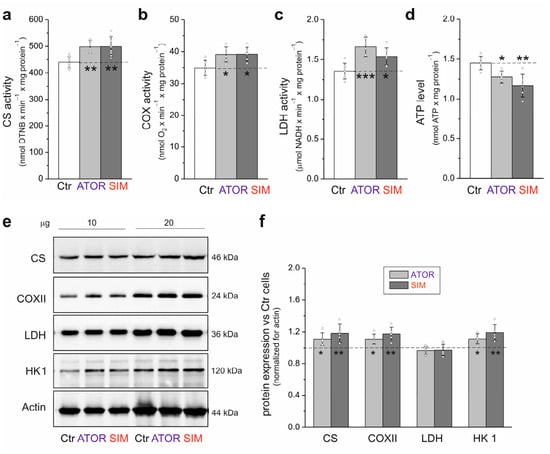
Statins are commonly used cholesterol-lowering drugs, but their effects on astrocyte oxidative metabolism are poorly understood. To investigate this, rat astrocytes were exposed to 200 nM atorvastatin or simvastatin for 6 days and then assessed for changes in coenzyme Q (CoQ) homeostasis, mitochondrial
[...] Read more.
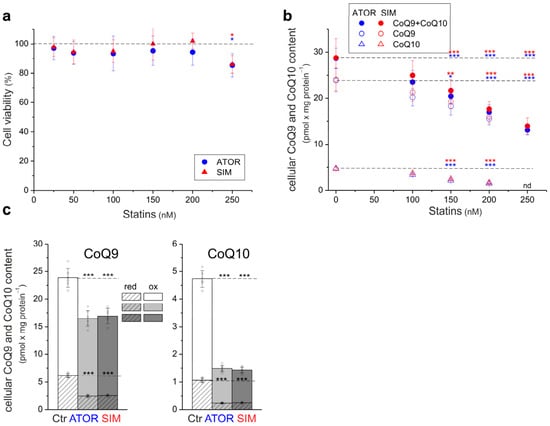
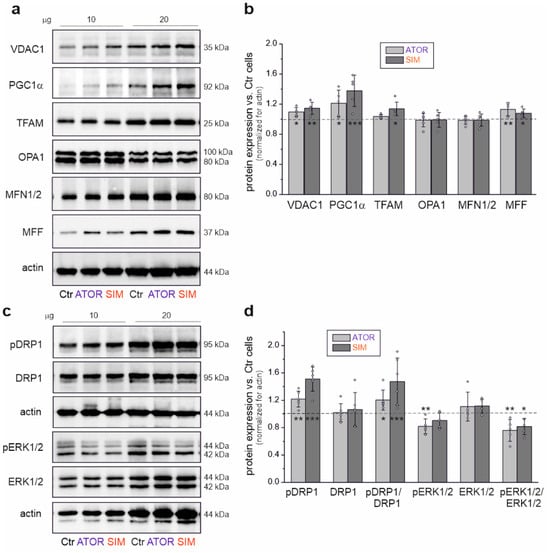
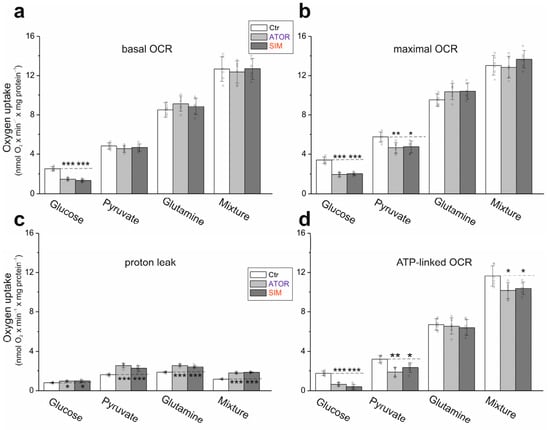
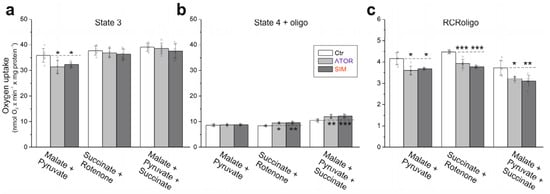
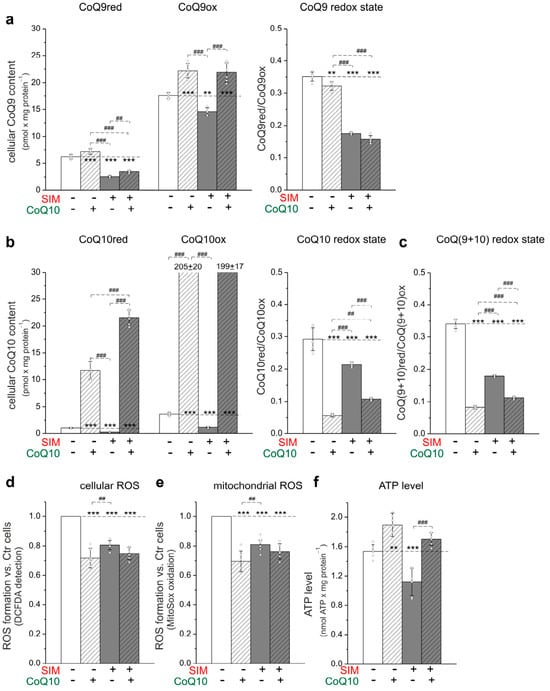
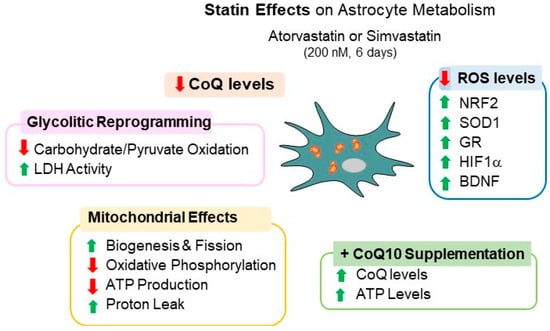
Statins are commonly used cholesterol-lowering drugs, but their effects on astrocyte oxidative metabolism are poorly understood. To investigate this, rat astrocytes were exposed to 200 nM atorvastatin or simvastatin for 6 days and then assessed for changes in coenzyme Q (CoQ) homeostasis, mitochondrial function, and energy metabolism. Both statins comparably decreased cellular CoQ9 and CoQ10 levels (~35%), with greater losses of their reduced antioxidant forms (60–75%). Lower intracellular and mitochondrial levels of reactive oxygen species (ROS) were accompanied by the upregulation of nuclear factor erythroid 2-related factor 2 (NRF2)-dependent antioxidant pathways (superoxide dismutase 1 and glutathione reductase) and metabolic stress response factors, including hypoxia-inducible factor 1-alpha (HIF1α) and brain-derived neurotrophic factor (BDNF). Both statins promoted glycolytic reprogramming, mitochondrial fission, and biogenesis while impairing oxidative phosphorylation, as evidenced by reduced ATP-linked respiration, increased proton leak, and lower ATP levels. These findings suggest that statin-treated astrocytes adapt by prioritizing redox homeostasis over ATP production. CoQ10 supplementation increased cellular CoQ10 levels and restored ATP levels without further decreasing ROS, suggesting that its primary benefit is bioenergetic support, not additional antioxidant protection. Overall, statin-induced CoQ deficiency induces adaptive metabolic remodeling of astrocytes, while CoQ10 supplementation may help maintain energy metabolism under these conditions.
Full article
(This article belongs to the Special Issue Cellular ROS and Antioxidants: Physiological and Pathological Role—2nd Edition)
►▼
Show Figures

Figure 1
Open AccessReview
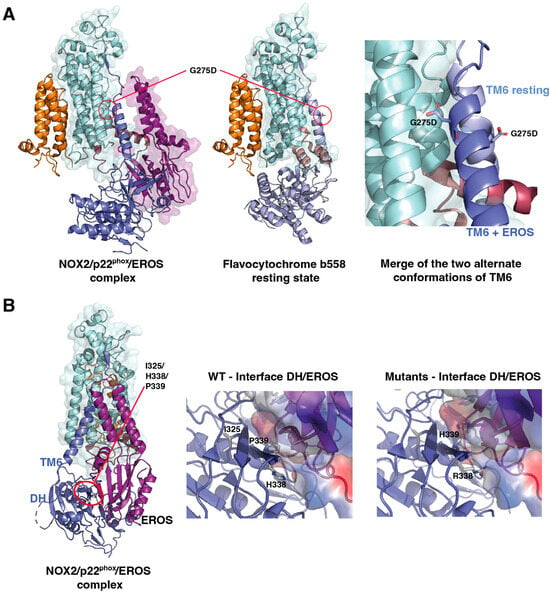
Molecular Views into the Synthesis and Activation of Flavocytochrome b558 in Phagocytic Cells—Focus on the Role of EROS
by
Perrine Rochas, Maria Val-Pevida, Sylvain Beaumel, Isabelle Petit-Härtlein, Caroline Plazy, Franck Fieschi and Marie José Stasia
Antioxidants 2026, 15(6), 724; https://doi.org/10.3390/antiox15060724 (registering DOI) - 6 Jun 2026
Abstract
Recent advances in the structural characterization of the phagocyte NADPH oxidase coupled with the description of its chaperone EROS for Essential for Reactive Oxygen Species have led to a better understanding of its function and activation in phagocytic cells. This review examines the
[...] Read more.
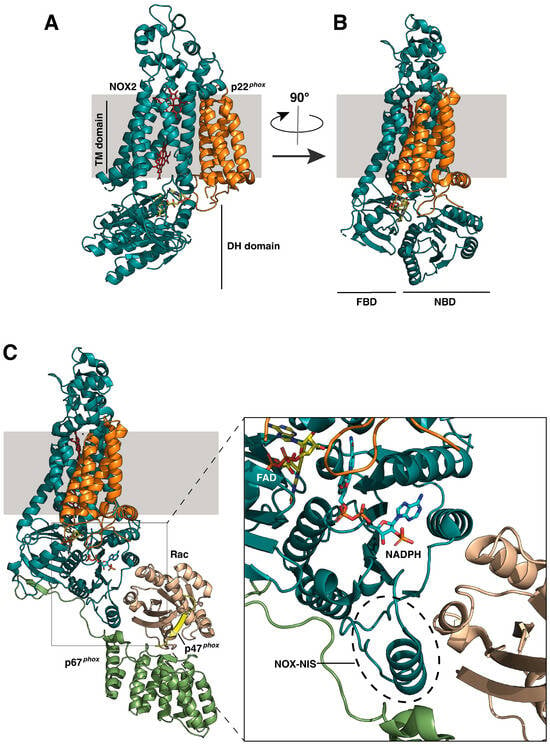
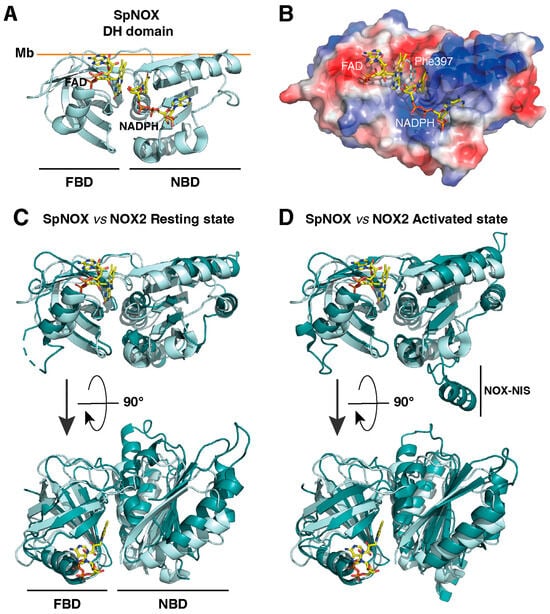
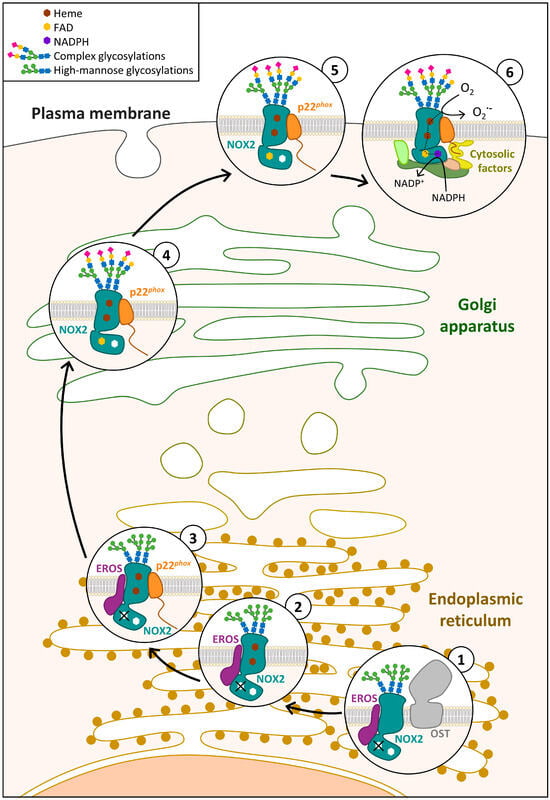
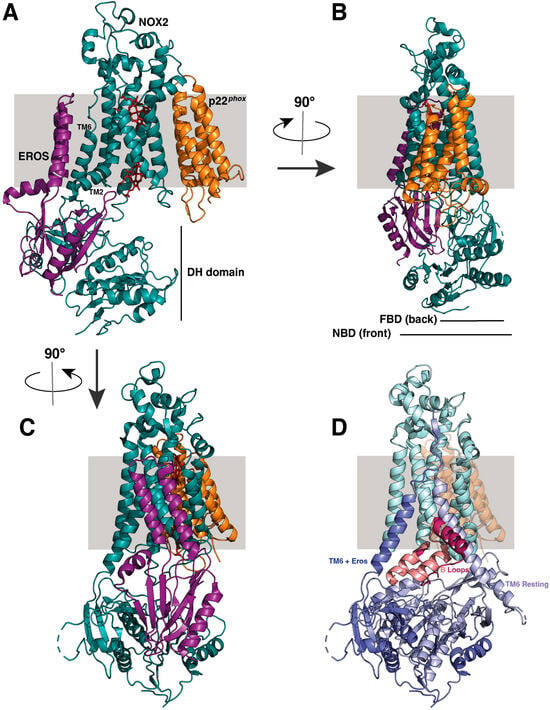
Recent advances in the structural characterization of the phagocyte NADPH oxidase coupled with the description of its chaperone EROS for Essential for Reactive Oxygen Species have led to a better understanding of its function and activation in phagocytic cells. This review examines the role of EROS chaperone in flavocytochrome b558 biosynthesis and function and in physiological and pathological conditions. Based on experimental data and structural insights, we synthesize knowledge from former work on flavocytochrome b558 synthesis and structure combined with recent advances on the specific role of EROS chaperone on the potential control of Reactive Oxygen Species (ROS) production by c flavocytochrome b558. We particularly emphasize its role in the pathological context of Chronic Granulomatous Disease (CGD), with already described EROS mutations (known as CGD5), as well as rare X91minus-CGD (or X91−-CGD) cases characterized by low flavocytochrome b558 expression in phagocytes that could be due to a lack of interaction with EROS. Future works should address in more detail how EROS binding and release from flavocytochrome b558 is regulated, and whether the inhibitory effect on ROS production that was observed in EROS overexpression studies is relevant in a more physiological context.
Full article
(This article belongs to the Special Issue NADPH Oxidases (NOXs))
►▼
Show Figures

Figure 1
Open AccessEditorial
Blood Cells Far from Equilibrium: Redox Adaptation in Health and Disease
by
Alkmini T. Anastasiadi and Angelo D’Alessandro
Antioxidants 2026, 15(6), 723; https://doi.org/10.3390/antiox15060723 (registering DOI) - 5 Jun 2026
Abstract
What does it actually mean for a blood cell to be ‘in balance’ [...]
Full article
(This article belongs to the Special Issue Blood Cells and Redox Homeostasis in Health and Disease, 2nd Edition)
Open AccessArticle
Targeting Cuproptosis and Ferroptosis via a ROS-Responsive Nanoplatform for Enhanced Synergistic Therapy Against Hepatocellular Carcinoma
by
Quan Zhu, Yangyang Zhang, Xinyi Zhu, Huijuan Zhang, Chuyu Xiao, Yingying Yang, Ting Huang, Jun Lu, Chang Liu, Chunjing Chen, Yueyuan Zhou, Tao Liu, Biyuan Liu and Fangguo Lu
Antioxidants 2026, 15(6), 722; https://doi.org/10.3390/antiox15060722 (registering DOI) - 5 Jun 2026
Abstract
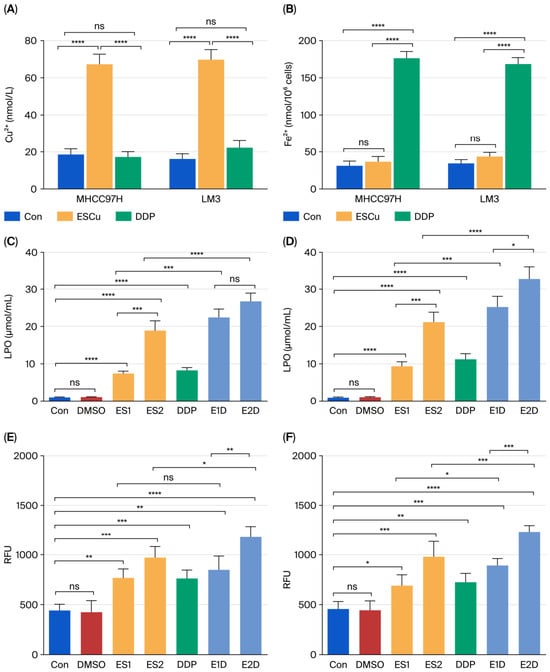
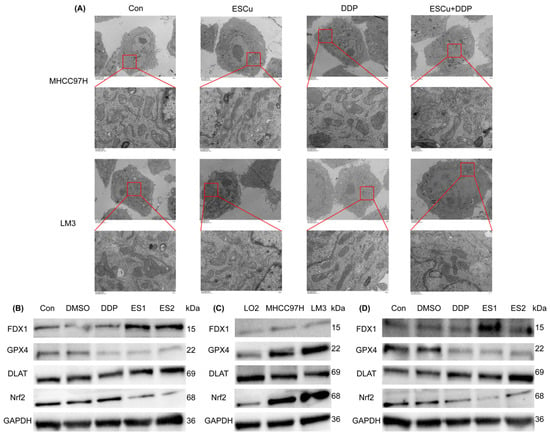
Ferroptosis and cuproptosis are promising anti-tumor treatment strategies. Elesclomol (ES) is a kind of common cuproptosis inducer, and cisplatin (DDP) is a commonly used drug in liver cancer chemotherapy, which can induce cells to undergo ferroptosis. Both of these cell death processes require
[...] Read more.
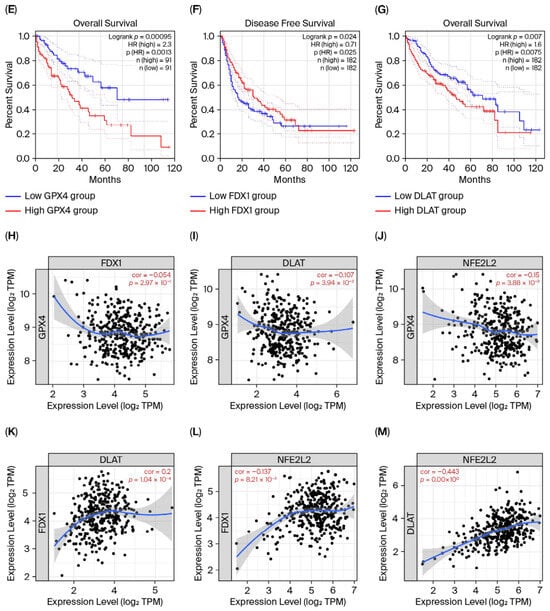
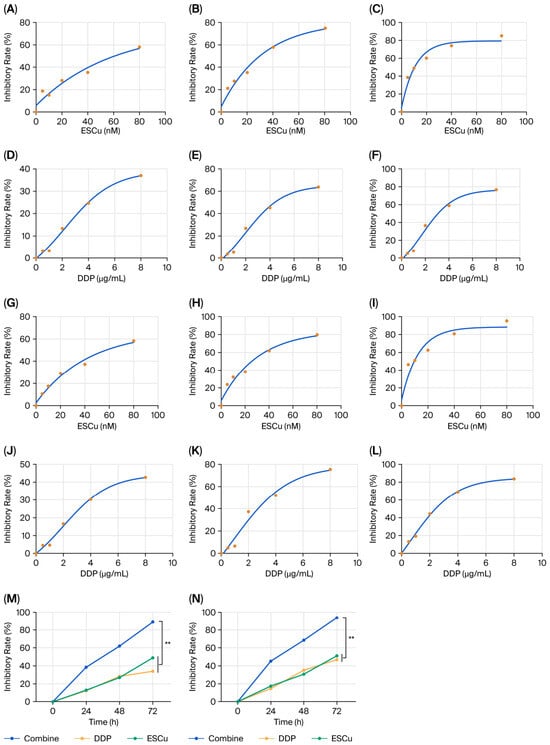
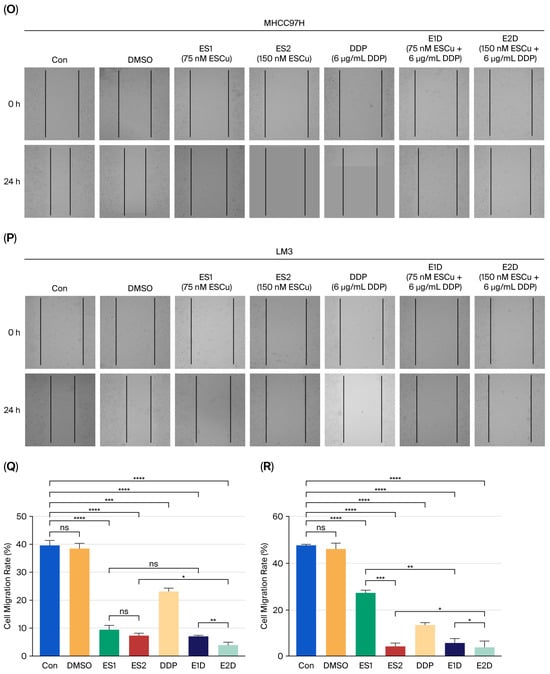
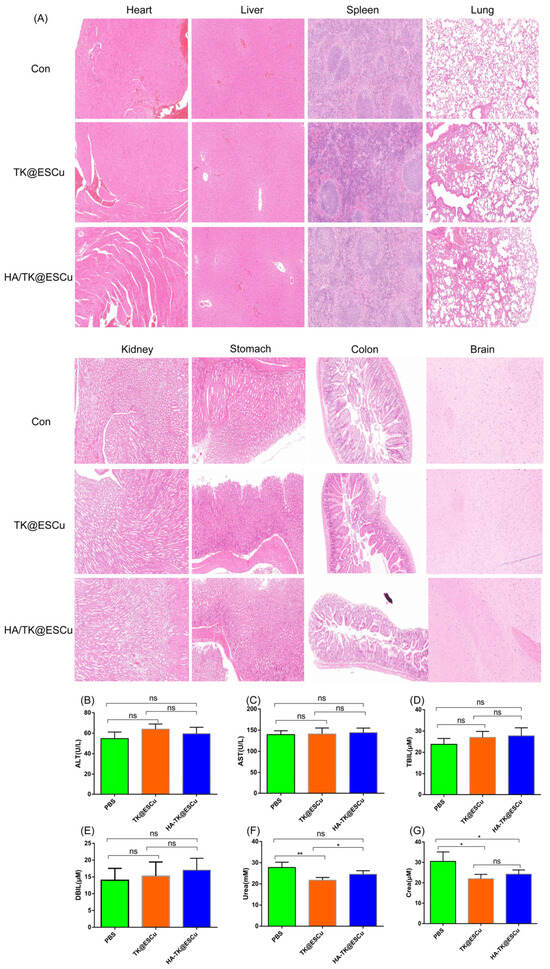
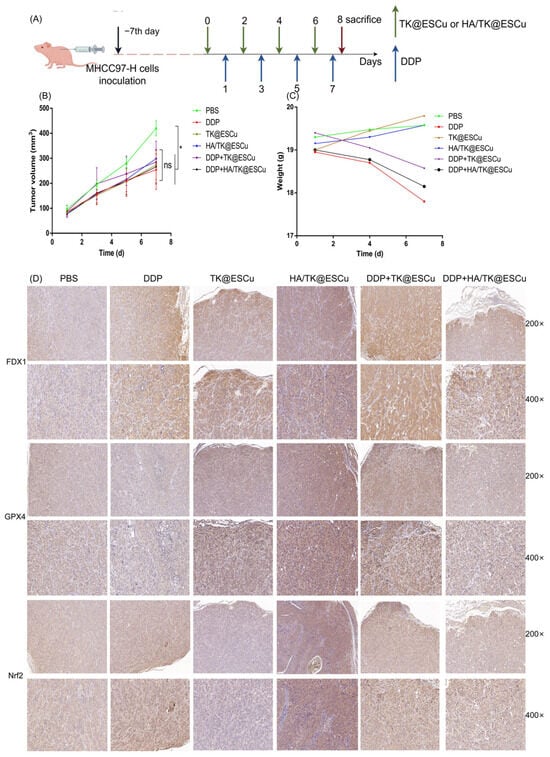
Ferroptosis and cuproptosis are promising anti-tumor treatment strategies. Elesclomol (ES) is a kind of common cuproptosis inducer, and cisplatin (DDP) is a commonly used drug in liver cancer chemotherapy, which can induce cells to undergo ferroptosis. Both of these cell death processes require inducing cells to generate oxidative stress. Therefore, elesclomol and cisplatin may have a synergistic effect in anti-tumor treatment. Here, we designed an active oxygen-responsive nano-delivery system and conducted in vitro and in vivo to study the synergistic anti-liver cancer effect of elesclomol and cisplatin. Our data showed that the elesclomol nanoparticles can effectively inhibit the growth of liver cancer cells and showed extremely low organ toxicity. Elesclomol exhibited a synergistic effect with cisplatin in vitro, but the combined treatment of the two did not outperform single drug treatment in vivo. The reason might be that the nuclear factor erythroid 2-related factor 2 (Nrf2) protein in liver cancer cells is feedback-expressed, inhibiting the oxidative stress effects induced by elesclomol and cisplatin. Therefore, this study provides reference data for exploring the mechanism of elesclomol’s synergistic anti-liver cancer treatment with cisplatin and offers a feasible strategy for future precise liver cancer treatment and improving chemotherapy efficacy.
Full article
(This article belongs to the Topic Advanced Nanocarriers for Targeted Drug and Gene Delivery)
►▼
Show Figures

Figure 1
Open AccessArticle
Dietary Piper sarmentosum Roxb. Extract Improves Antioxidant Capacity, Lipid Metabolism and Flavor Formation in Male Hainan Black Goat Kids Under Heat Stress
by
Guodong Ren, Ziyang Sheng, Yixin Chen, Tingshuo Yang, Nan Zhang, Renlong Lv, Hanlin Zhou and Hailing Luo
Antioxidants 2026, 15(6), 721; https://doi.org/10.3390/antiox15060721 (registering DOI) - 5 Jun 2026
Abstract
►▼
Show Figures
Global warming-induced heat stress causes oxidative imbalance and reduced productivity in livestock. This study investigated the effects of dietary supplementation with Piper sarmentosum Roxb. extract (PSE) on antioxidant capacity, lipid metabolism, and flavor formation in goats under heat stress. Thirty-six healthy 3-month-old male
[...] Read more.
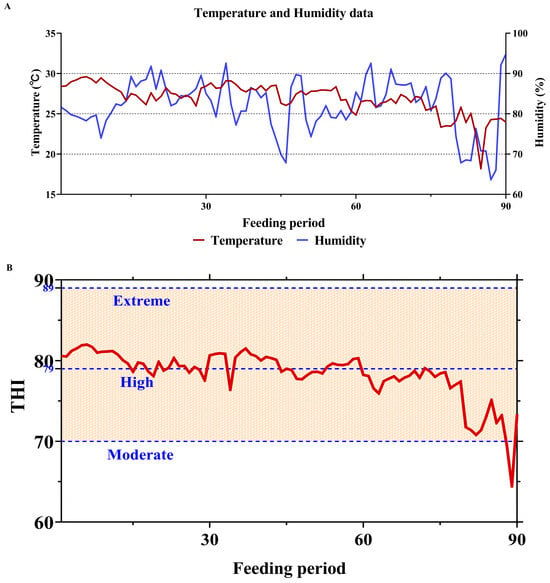
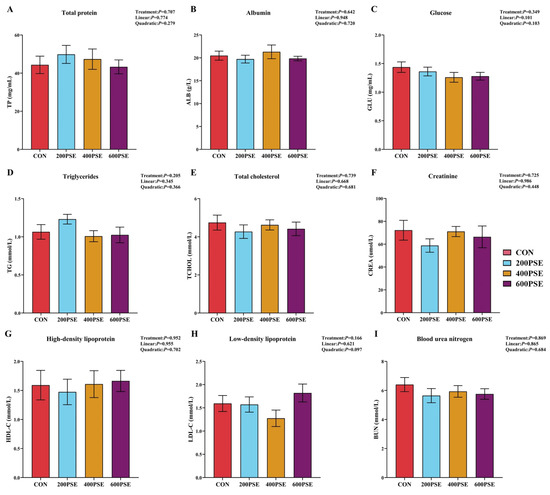
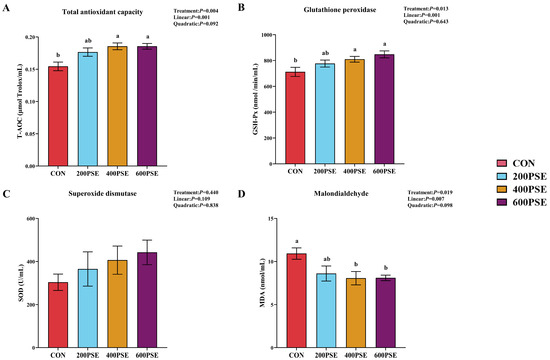
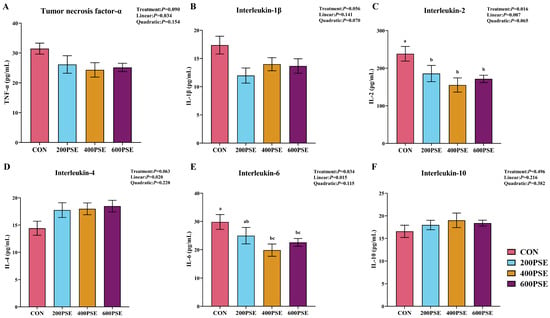
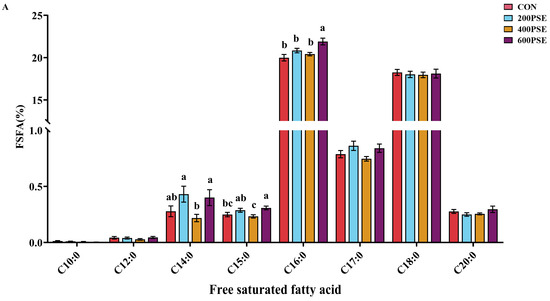
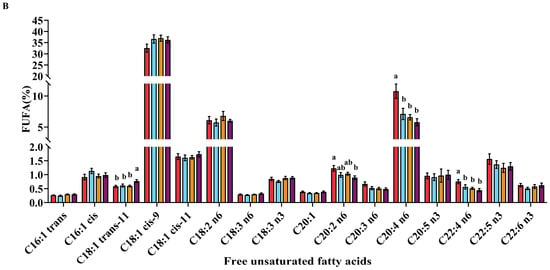
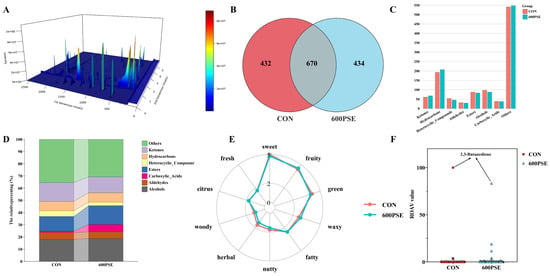
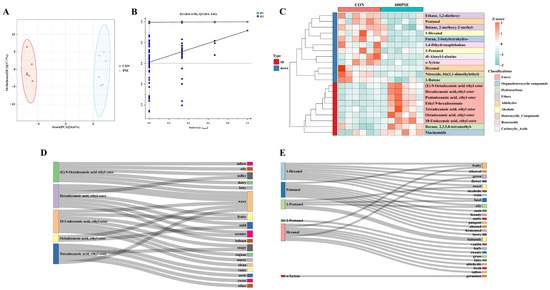
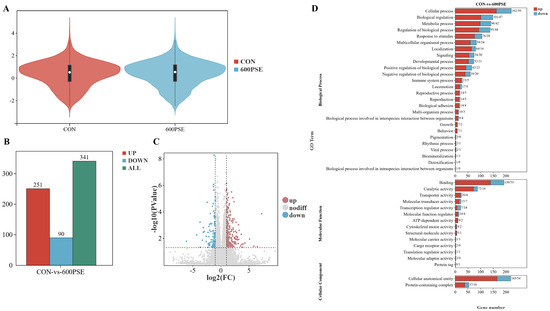
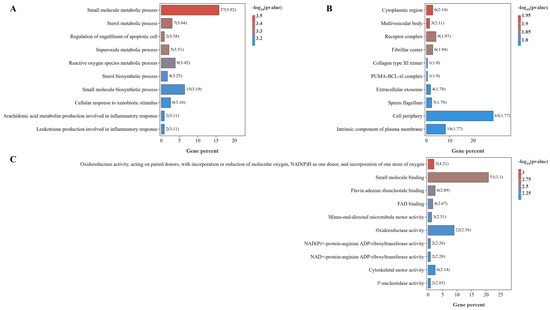
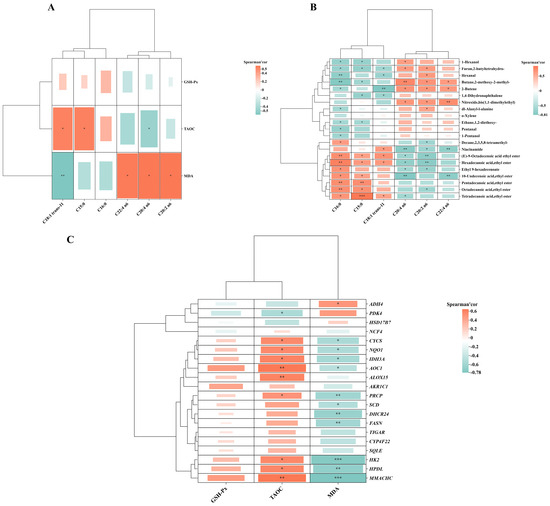
Global warming-induced heat stress causes oxidative imbalance and reduced productivity in livestock. This study investigated the effects of dietary supplementation with Piper sarmentosum Roxb. extract (PSE) on antioxidant capacity, lipid metabolism, and flavor formation in goats under heat stress. Thirty-six healthy 3-month-old male Hainan black goat kids were fed a basal diet supplemented with 0, 200, 400, or 600 mg/kg PSE (dry-matter basis) for 105 days. Specifically, PSE significantly enhanced antioxidant capacity, as indicated by increased total antioxidant capacity and glutathione peroxidase activity, along with reduced malondialdehyde levels (p < 0.05). These changes were accompanied by a decrease in n-6 polyunsaturated free fatty acids and a relative increase in saturated fatty acids (p < 0.05), suggesting a potential improvement in lipid oxidative stability. Further flavoromics analysis revealed a marked shift in meat volatile profiles, characterized by increased esters associated with fruity and waxy notes and decreased aldehydes and alcohols contributing to green and herbal odors. Muscle transcriptomic results further indicated enrichment of redox-related pathways, including oxidoreductase activity and reactive oxygen species metabolism. Overall, PSE, particularly at 600 mg/kg, enhanced antioxidant capacity and regulated redox status and lipid metabolism under heat stress, potentially contributing to improved meat oxidative stability and altered flavor compound formation.
Full article

Figure 1
Open AccessArticle
Metabolomics-Based Analysis Linking Oxidative Stress-Related Branched-Chain Amino Acid (BCAA) Pathway with Atopic Indices to Childhood Allergies
by
Jin-Ling Ku, Kuan-Wen Su, Meng-Han Chiang, Chieh-Ni Kuo, Kuo-Wei Yeh, Jing-Long Huang and Chih-Yung Chiu
Antioxidants 2026, 15(6), 720; https://doi.org/10.3390/antiox15060720 (registering DOI) - 5 Jun 2026
Abstract
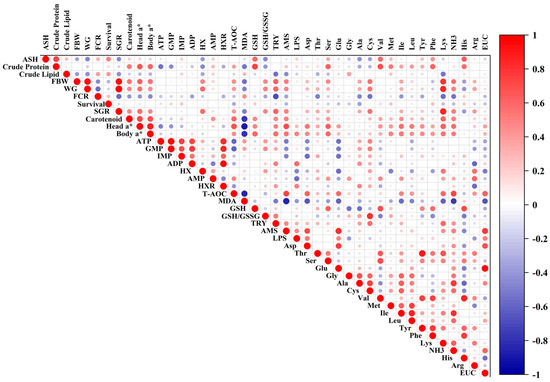
Allergic diseases are complex conditions in which oxidative stress contributes to pathogenesis, yet the metabolic mechanisms linking oxidative stress to immunoglobulin E (IgE)-mediated responses remain unclear. This study analyzed 124 children at an 8-year follow-up, identifying those with eczema, rhinitis, and asthma. Oxidative
[...] Read more.
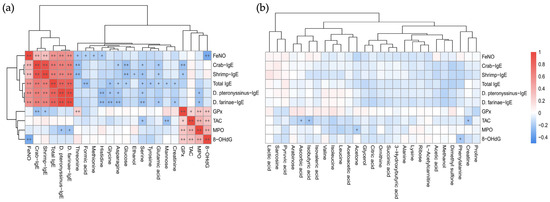
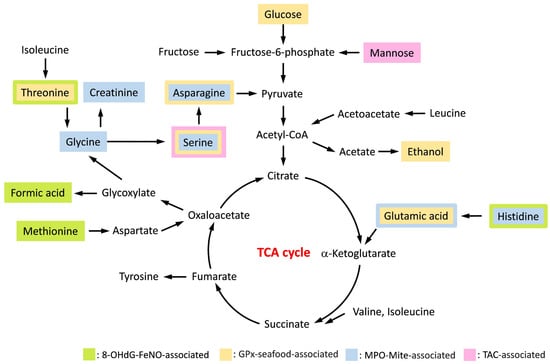
Allergic diseases are complex conditions in which oxidative stress contributes to pathogenesis, yet the metabolic mechanisms linking oxidative stress to immunoglobulin E (IgE)-mediated responses remain unclear. This study analyzed 124 children at an 8-year follow-up, identifying those with eczema, rhinitis, and asthma. Oxidative stress markers and 1H-nuclear magnetic resonance (NMR) blood metabolomic profiles were assessed to determine associations between metabolic pathways and atopic indices. Results showed that glutathione peroxidase (GPx) activity was significantly lower in seafood-sensitized children, while FeNO and mite-specific IgE were elevated in children with rhinitis (p < 0.01). Fractional exhaled nitric oxide (FeNO) correlated positively with allergen-specific IgE and negatively with 8-hydroxy-2′-deoxyguanosine (8-OHdG) (p < 0.01) and rhinitis-related methionine. Furthermore, seafood-specific IgE showed negative correlations with glucose and threonine (p < 0.01). Among 22 metabolites linked to atopy, threonine correlated positively with GPx (p < 0.01), while serine and mannose were associated with total antioxidant capacity (TAC). Pathway analysis revealed that branched-chain amino acid (BCAA) and glycine-serine-threonine metabolism intersected significantly with oxidative stress and atopic indices. In conclusion, a metabolomics-based approach highlights that oxidative stress-related BCAA and threonine pathways are central to the metabolic signature of childhood allergies, providing potential targets for future therapeutic interventions.
Full article
(This article belongs to the Special Issue Developmental Origins of Health and Disease: Antioxidants as Strategy for Prevention and Treatment)
►▼
Show Figures

Figure 1
Open AccessArticle
Carvacrol-Based Formulations Modulate Sirtuins and Exert Cytotoxic and Antimicrobial Effects in Lung Cancer Models
by
Selin Aktar Kiremitci, Ayşe Simay Metin, İmren Hasoğlu, Mert Geçim, Didem Demir, Emine Hande Karagedik, Pınar Yurdakul Mesutoğlu and Öykü Gönül Geyik
Antioxidants 2026, 15(6), 719; https://doi.org/10.3390/antiox15060719 (registering DOI) - 5 Jun 2026
Abstract
Lung cancer remains a leading cause of cancer-related mortality and is frequently complicated by respiratory infections, supporting interest in agents with both antitumoral and antimicrobial potential. This study evaluated two standardized thyme-derived, carvacrol-based formulations, Vacrol and S-Mix, in lung cancer-associated experimental models. A549
[...] Read more.
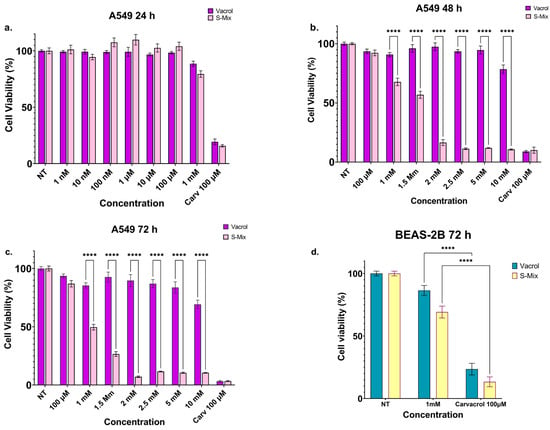
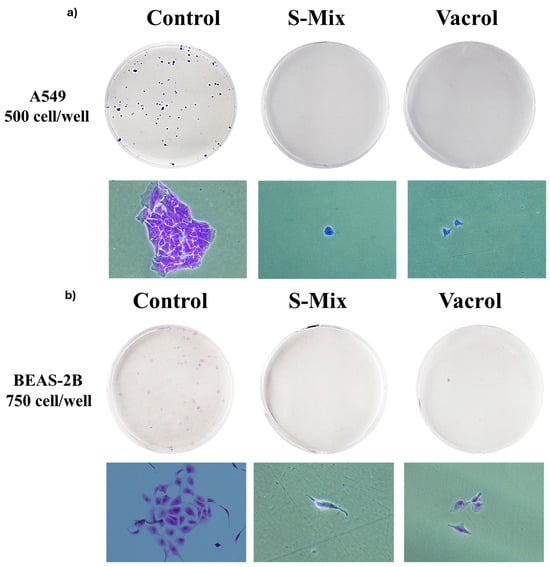
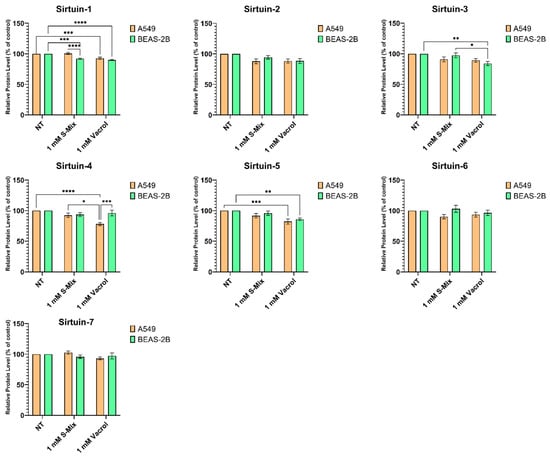
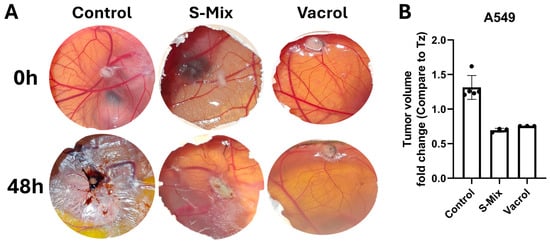
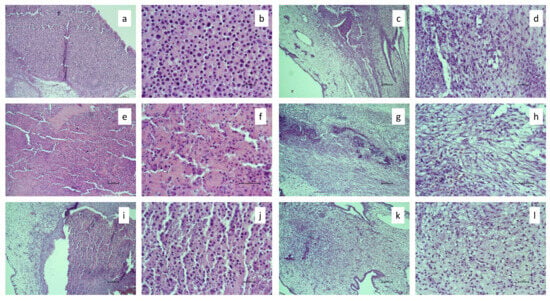
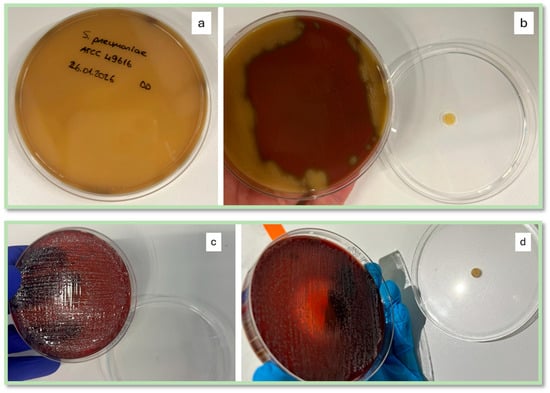
Lung cancer remains a leading cause of cancer-related mortality and is frequently complicated by respiratory infections, supporting interest in agents with both antitumoral and antimicrobial potential. This study evaluated two standardized thyme-derived, carvacrol-based formulations, Vacrol and S-Mix, in lung cancer-associated experimental models. A549 lung adenocarcinoma and BEAS-2B bronchial epithelial cells were treated with the formulations, and cell viability, clonogenic capacity, SIRT1–SIRT7 protein expression, in ovo tumor growth, histopathological changes, and antimicrobial activity against pneumonia-associated reference strains were assessed. S-Mix showed stronger short-term cytotoxicity in A549 cells, reaching an IC50 of 1 mM after 72 h, whereas Vacrol produced more pronounced modulation of selected sirtuin proteins, particularly SIRT1, SIRT4, and SIRT5. Both formulations suppressed colony formation under prolonged exposure. In the CAM model, Vacrol was associated with greater macroscopic suppression of tumor growth and vascularization, while S-Mix produced more prominent histopathological cellular injury. Vacrol also showed antimicrobial activity against tested respiratory pathogens, with MIC values ranging from 0.5 to 4 mg/mL, MBC values ranging from 1 to 4 mg/mL and volatile-phase activity against Streptococcus pneumoniae as well as Klebsiella pneumoniae. These findings suggest that carvacrol-based formulations exert distinct cytotoxic, sirtuin-modulatory, antitumoral, and antimicrobial effects, warranting further mechanistic and translational validation.
Full article
(This article belongs to the Special Issue Antioxidant and Anticancer Activities of Food Ingredients and Natural Products)
►▼
Show Figures

Figure 1
Open AccessReview
Per- and Polyfluoroalkyl Substances Exposure and Ischemic Heart Disease: Emerging Evidence from the Literature
by
Francesca Gorini, Alessandro Tonacci, Mariangela Palazzo, Elisa Bustaffa, Fabrizio Minichilli and Andrea Borghini
Antioxidants 2026, 15(6), 718; https://doi.org/10.3390/antiox15060718 (registering DOI) - 5 Jun 2026
Abstract
Ischemic heart disease (IHD) is a chronic and progressive condition characterized by reduced blood flow, mainly due to atherosclerosis. It is currently the leading cause of mortality among cardiovascular diseases. In recent years, per- and polyfluoroalkyl substances (PFAS), a group of ubiquitous and
[...] Read more.
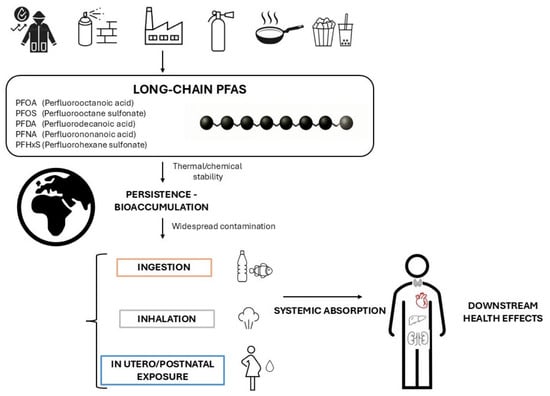
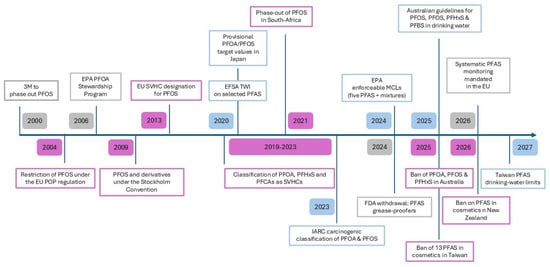
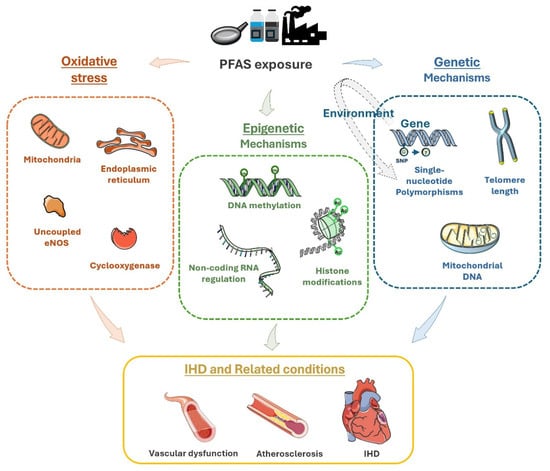
Ischemic heart disease (IHD) is a chronic and progressive condition characterized by reduced blood flow, mainly due to atherosclerosis. It is currently the leading cause of mortality among cardiovascular diseases. In recent years, per- and polyfluoroalkyl substances (PFAS), a group of ubiquitous and highly persistent environmental contaminants, have emerged as potential risk factors for IHD. PFAS are well-established endocrine disruptors and have been associated with hypercholesterolemia, hypertriglyceridemia, and insulin resistance. Despite the limited number of epidemiological studies and inconsistent findings from occupational settings, accumulating evidence suggests that elevated exposure to certain PFAS compounds may increase the risk of IHD and vascular dysfunction, including processes related to atherosclerosis development, sometimes with dose–response relationships and sex-specific patterns. Mechanistic evidence supports this link, indicating that PFAS exposure induces molecular and cellular alterations relevant to cardiovascular pathophysiology, including increased oxidative stress and vascular inflammation, and disruption of lipid metabolism. In addition, PFAS may affect epigenetic regulation, telomere length, and mitochondrial DNA copy number, which are emerging biomarkers associated with atherosclerosis and IHD and may indicate early cardiovascular vulnerability. Future research integrating innovative approaches and advanced analytical techniques may help address current knowledge gaps and clarify the mechanistic pathways linking PFAS exposure to clinical cardiovascular outcomes.
Full article
(This article belongs to the Section Health Outcomes of Antioxidants and Oxidative Stress)
►▼
Show Figures

Figure 1
Open AccessArticle
Impact of Simulated Gastrointestinal Digestion on Antiglycoxidant Activity of Lemon Verbena (Aloysia triphylla) Herbal Tea and Characterization of Key Polyphenols via DPPH/MGO Pre-Column HPLC
by
Didier Fraisse, Alexis Bred and Catherine Felgines
Antioxidants 2026, 15(6), 717; https://doi.org/10.3390/antiox15060717 (registering DOI) - 5 Jun 2026
Abstract
Aloysia triphylla (lemon verbena, LV) herbal tea is a rich source of phenolic compounds with recognized antioxidant and antiglycoxidant properties, although their stability during digestion remains insufficiently understood. This study evaluated the impact of simulated gastrointestinal digestion on the phenolic composition and bioactivity
[...] Read more.
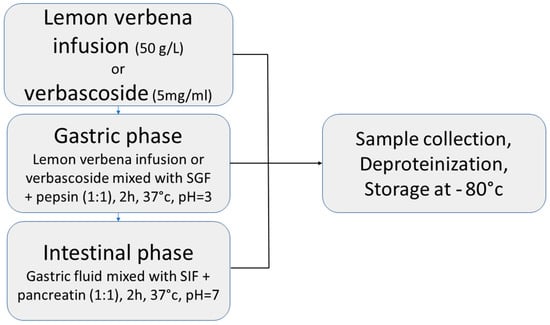
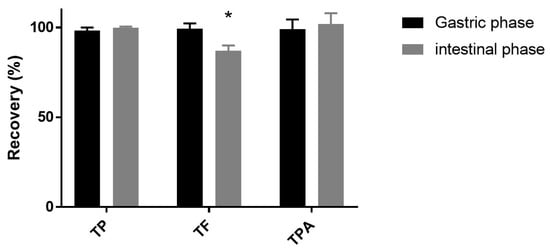
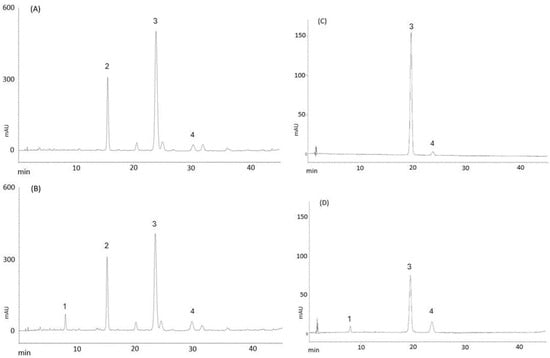
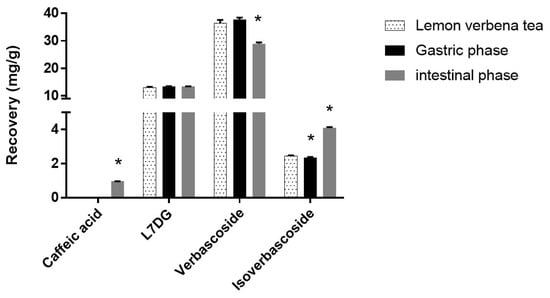
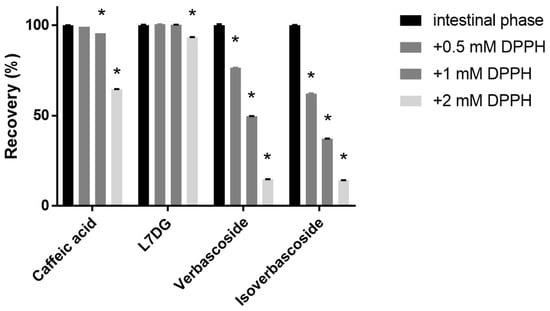
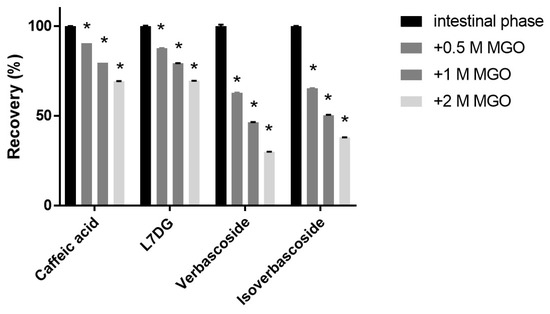
Aloysia triphylla (lemon verbena, LV) herbal tea is a rich source of phenolic compounds with recognized antioxidant and antiglycoxidant properties, although their stability during digestion remains insufficiently understood. This study evaluated the impact of simulated gastrointestinal digestion on the phenolic composition and bioactivity of LV infusion using a standardized in vitro model. Total phenolic, flavonoid, and phenolic acid contents were determined spectrophotometrically, while individual compounds were analyzed by HPLC. Antioxidant activity was assessed using complementary assays (DPPH•, ABTS•, FRAP, ORAC, and nitric oxide scavenging), and antiglycation activity was evaluated using a BSA/D-ribose model. Digestion did not significantly affect total phenolic and phenolic acid contents, whereas flavonoids moderately decreased during the intestinal phase. Verbascoside underwent partial degradation, leading to increased levels of isoverbascoside and caffeic acid. Despite these transformations, antioxidant capacity was maintained or enhanced, particularly in ABTS and ORAC assays, suggesting a contribution of digestion-derived metabolites. Antiglycation activity remained stable after digestion. Pre-column HPLC analyses identified verbascoside and its derivatives as the main contributors to radical scavenging and methylglyoxal trapping activities. These findings indicate that LV infusion retains its bioactive potential after digestion and supports its relevance as a functional beverage.
Full article
(This article belongs to the Special Issue Natural Antioxidants in Functional Foods)
►▼
Show Figures

Figure 1
Open AccessReview
Protein S-Nitrosylation in Heart Failure: A Compartment-Resolved Review of Mechanisms, Evidence Boundaries, and Translational Perspectives
by
Miao Shi, Yongnan Li, Ziwei Zhu, Yafei Xie and Xiaowei Zhang
Antioxidants 2026, 15(6), 716; https://doi.org/10.3390/antiox15060716 - 4 Jun 2026
Abstract
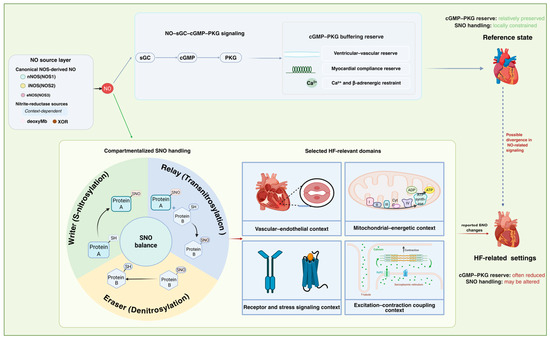
Heart failure (HF) remains a major cause of morbidity and mortality despite substantial therapeutic progress, and important phenotype-specific treatment gaps persist. Protein S-nitrosylation (SNO) is a reversible cysteine-centered post-translational modification (PTM) whose reported associations with selected HF-relevant contexts, including vascular–endothelial dysfunction, mitochondrial–energetic remodeling,
[...] Read more.
Heart failure (HF) remains a major cause of morbidity and mortality despite substantial therapeutic progress, and important phenotype-specific treatment gaps persist. Protein S-nitrosylation (SNO) is a reversible cysteine-centered post-translational modification (PTM) whose reported associations with selected HF-relevant contexts, including vascular–endothelial dysfunction, mitochondrial–energetic remodeling, Ca2+-handling abnormalities, and selected receptor- or stress-related signaling observations, are supported to varying degrees. In this review, we evaluate reported mechanisms that may regulate cardiac SNO and define the evidentiary boundaries that constrain interpretation across HF-relevant settings. Available studies suggest that altered SNO homeostasis is associated with selected HF-related processes, but the strength of support varies substantially across targets, phenotypes, and disease contexts. Many mechanistic observations derive from animal models, cultured systems, donor-based perturbations, or non-HF settings. These should, therefore, be interpreted as hypothesis-generating rather than as established mechanisms in human HF. We accordingly distinguish findings supported by human HF tissue or HF-relevant in vivo evidence from more preliminary observations and highlight the need for human, site-resolved, and, where feasible, quantitatively grounded datasets. Future studies should prioritize stronger tissue anchoring, better integration of circulating and myocardial readouts, and closer alignment between mechanistic claims and the strength of the supporting evidence.
Full article
(This article belongs to the Special Issue New Insight into Redox Homeostasis and Oxidative Stress in Health and Disease: Focus on Cardiac and Vascular Function)
►▼
Show Figures

Figure 1
Open AccessArticle
Physiological and Intestinal Microbiota Responses to the Feeding Stimulant Dimethyl-β-Propiothetin (DMPT) in Aquatic Animals—A Preliminary Study on Pontastacus leptodactylus Fed on a Plant-Based Diet
by
Ying Yan, Ming Li, Yanjie Tang, Xiting Chen, Haibo Jiang, Muzi Zhang, Na Li and Bin Li
Antioxidants 2026, 15(6), 715; https://doi.org/10.3390/antiox15060715 - 4 Jun 2026
Abstract
The replacement of fishmeal with plant protein is a key strategy for sustainable aquaculture, but reduced feed intake and digestive efficiency remain major constraints. This study evaluated the effects of dietary dimethyl-β-propiothetin (DMPT) supplementation on feed intake, digestive function, antioxidant capacity, and intestinal
[...] Read more.
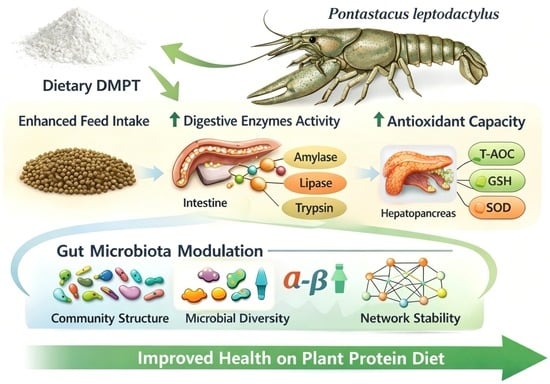
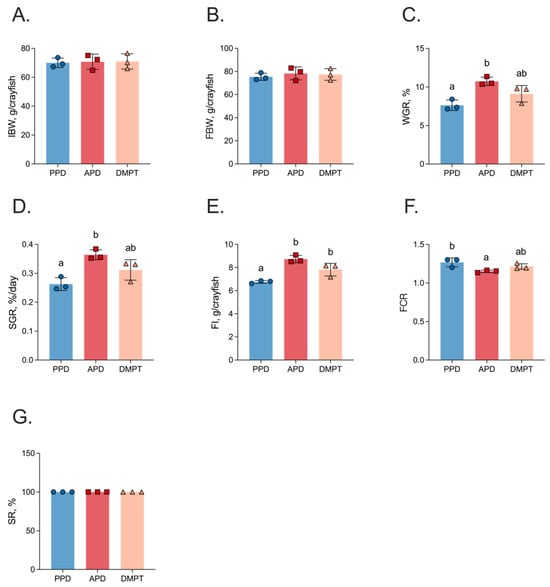
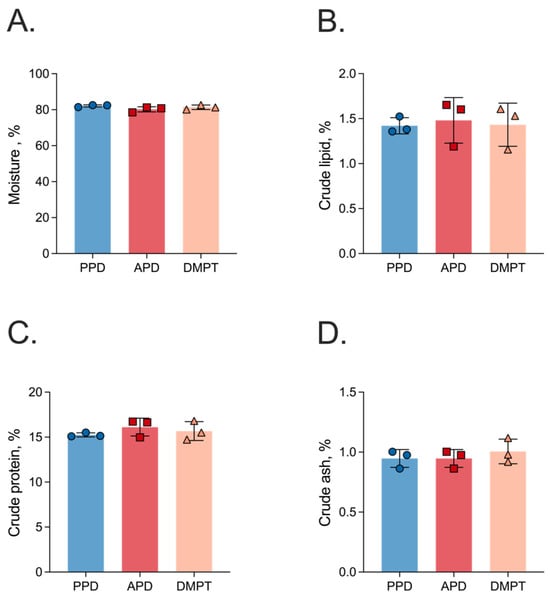
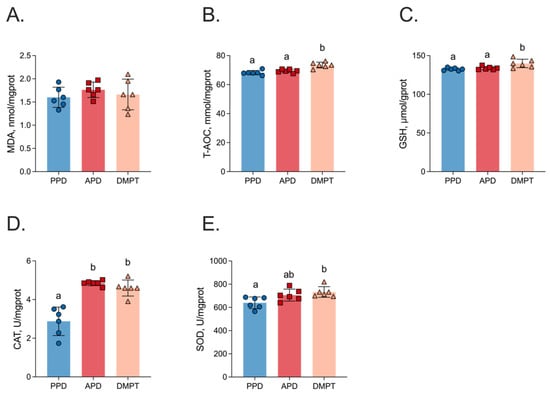
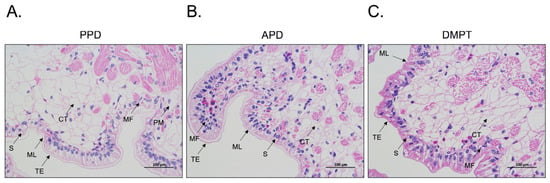
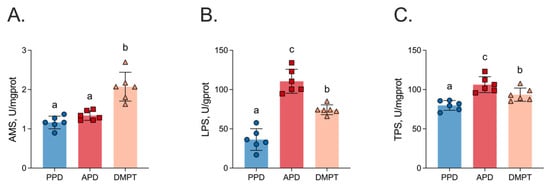
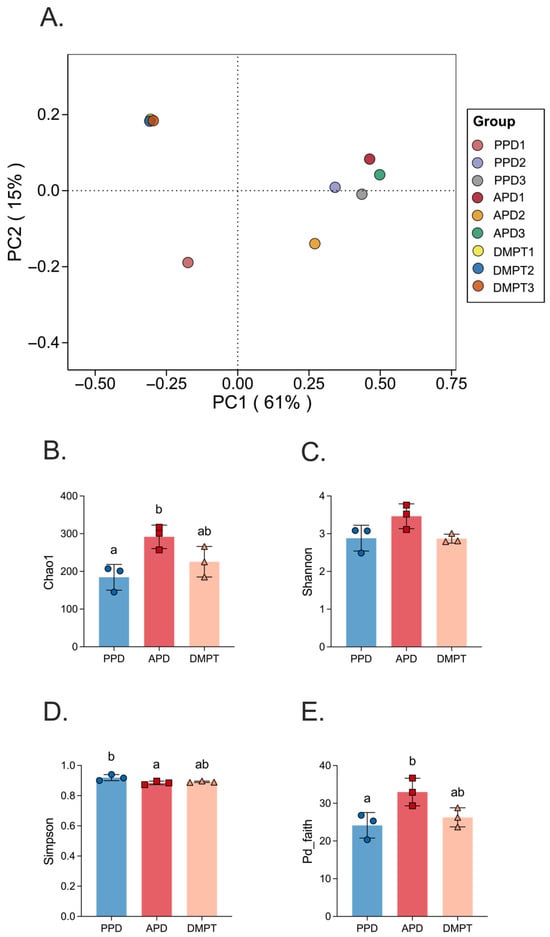
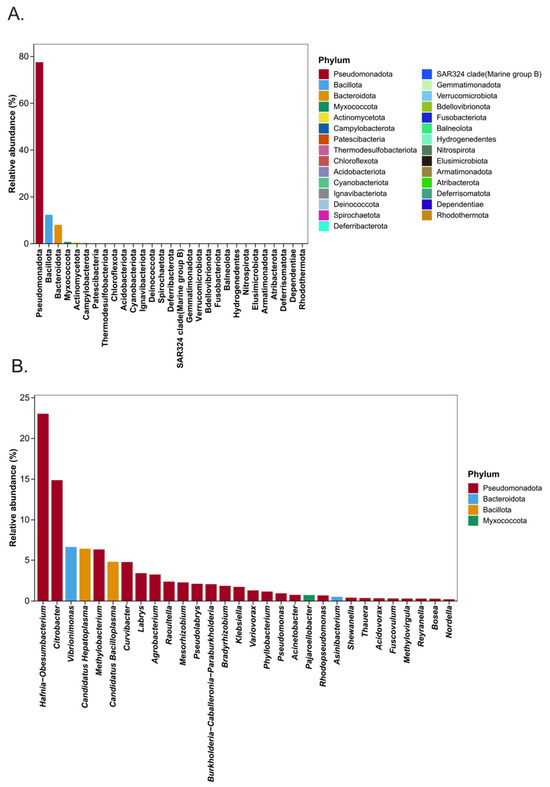
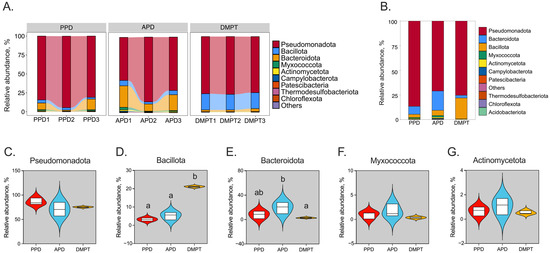
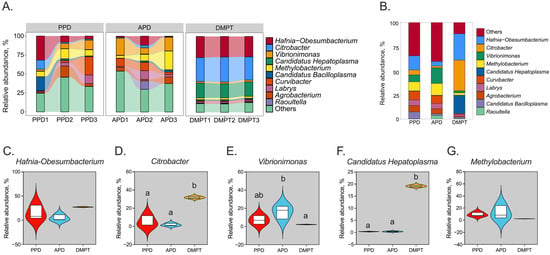
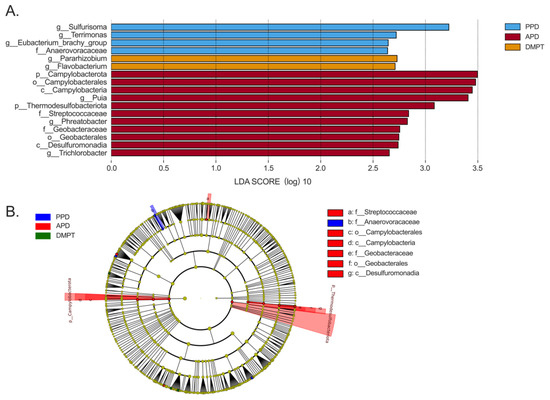
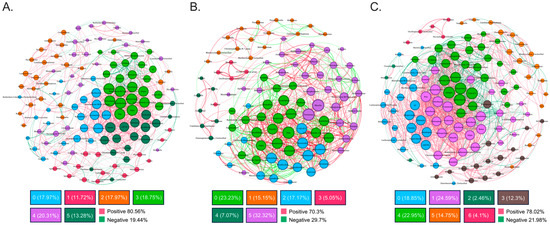
The replacement of fishmeal with plant protein is a key strategy for sustainable aquaculture, but reduced feed intake and digestive efficiency remain major constraints. This study evaluated the effects of dietary dimethyl-β-propiothetin (DMPT) supplementation on feed intake, digestive function, antioxidant capacity, and intestinal microbiota in narrow-clawed crayfish (Pontastacus leptodactylus) fed an all-plant protein diet. Three isonitrogenous and isolipidic diets were formulated: a plant protein diet (PPD), an animal protein diet (APD), and a PPD supplemented with 0.5% DMPT. After a 4-week feeding trial, results showed that PPD significantly reduced feed intake and digestive enzyme activities compared to APD, whereas DMPT supplementation restored feed intake to a level comparable to APD, maintained growth-related parameters at intermediate levels, and significantly enhanced α-amylase (AMS), lipase (LPS), and trypsin (TPS) activities. Additionally, DMPT markedly improved hepatopancreatic antioxidant capacity, as indicated by increased total antioxidant capacity (T-AOC), glutathione (GSH), catalase (CAT), and superoxide dismutase (SOD) levels, without affecting muscle composition or intestinal morphology. Microbiota analysis revealed that DMPT altered community structure, increased Bacillota abundance, and promoted microbial network stability. Overall, DMPT supplementation effectively mitigates the limitations of plant protein diets and supports the replacement of animal protein in crayfish aquafeeds.
Full article
(This article belongs to the Special Issue Antioxidants and Aquaculture: A Synergistic Approach for Sustainable Aquatic Production—2nd Edition)
►▼
Show Figures

Graphical abstract
Open AccessArticle
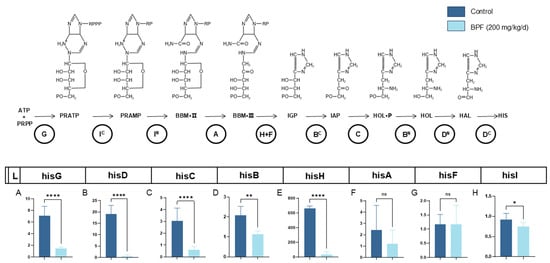
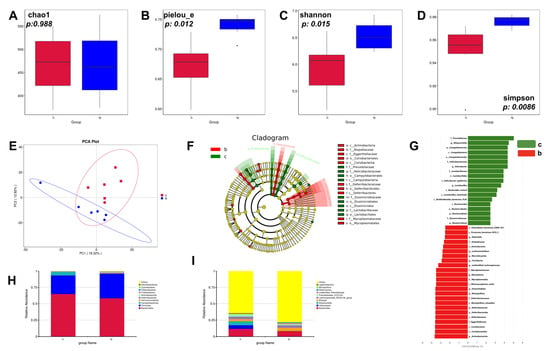
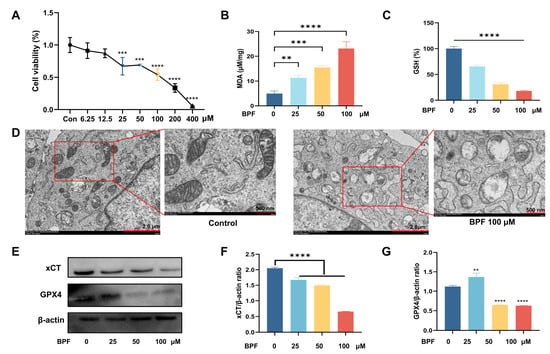
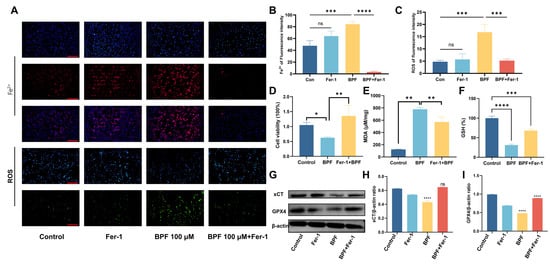
Gut Microbiota-Mediated Histidine Deficiency Drives Testicular Ferroptosis Induced by Bisphenol F Exposure
by
Bo-Yang Zhang, Yue-Qi Wang, Rui Yang, Yan Zhang, Dao-Zhen Jiang, Li-Hong Ji, Yi-Fei Mao, Bo Tang and Xue-Ming Zhang
Antioxidants 2026, 15(6), 714; https://doi.org/10.3390/antiox15060714 - 4 Jun 2026
Abstract
►▼
Show Figures
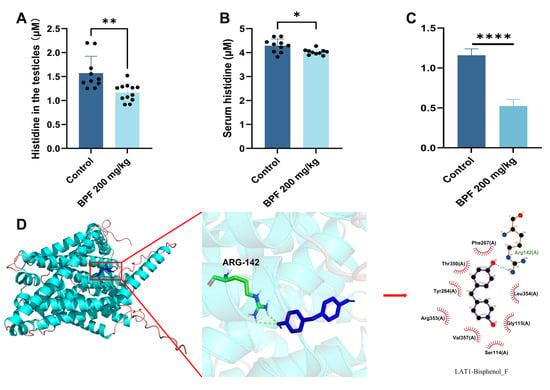
Bisphenol F (BPF), a widespread environmental contaminant and a major substitute for the restricted bisphenol A (BPA), has raised increasing concerns regarding its potential male reproductive health risks, yet its underlying mechanisms remain poorly understood. This study investigates the mechanisms underlying BPF-induced testicular
[...] Read more.
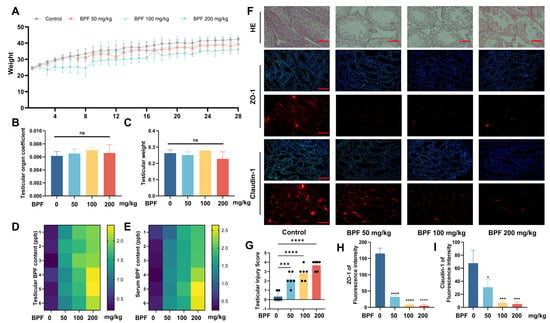
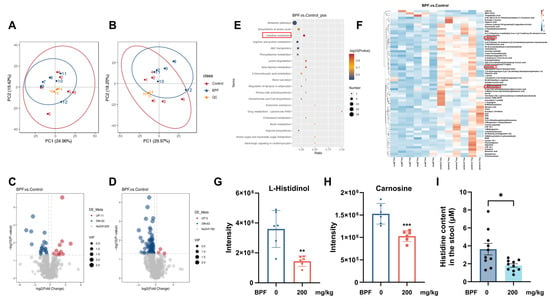
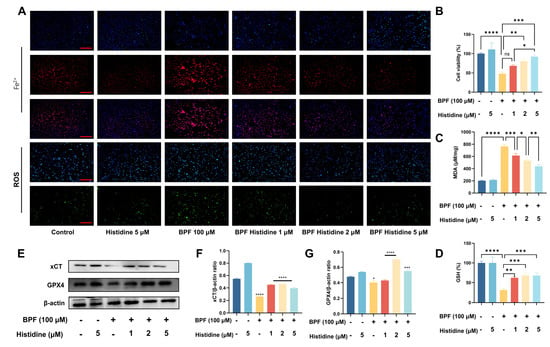
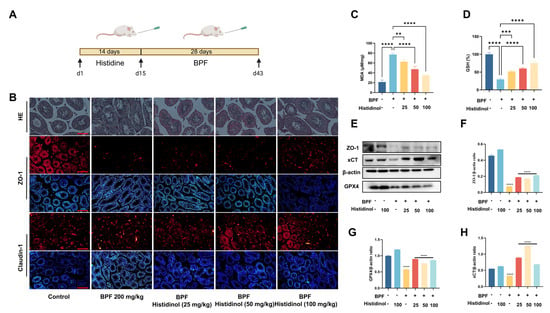
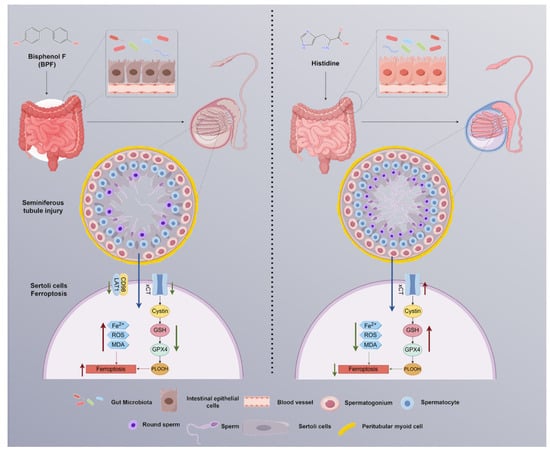
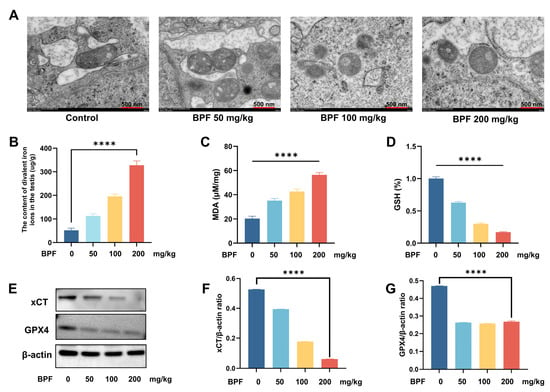
Bisphenol F (BPF), a widespread environmental contaminant and a major substitute for the restricted bisphenol A (BPA), has raised increasing concerns regarding its potential male reproductive health risks, yet its underlying mechanisms remain poorly understood. This study investigates the mechanisms underlying BPF-induced testicular damage, focusing on the interplay among gut microbiota (GM) dysbiosis, histidine metabolism disruption, and ferroptosis. Using a mouse model exposed to BPF (50, 100, and 200 mg/kg/day) for 28 days, we observed significant testicular pathology, including seminiferous tubule atrophy, vacuolation, and blood-testis barrier (BTB) impairment. Metagenomic and metabolomic analyses revealed GM dysbiosis and suppressed intestinal histidine metabolism, accompanied by decreased abundance of beneficial taxa (e.g., Bacteroides, Ligilactobacillus) and increased potential pathobionts (e.g., Akkermansia, Mucispirillum). BPF exposure was associated with reduced testicular histidine levels and decreased expression of the histidine transporter-related marker LAT1, suggesting impaired histidine availability and a possible alteration in LAT1/CD98-mediated transport; however, direct inhibition of LAT1/CD98 transport activity was not experimentally demonstrated. BPF exposure was accompanied by ferroptosis-related alterations in the testes, including mitochondrial damage, iron accumulation, lipid peroxidation, and downregulation of the xCT-GSH-GPX4 antioxidant axis. In vitro experiments using mouse Sertoli cells (mSCs) confirmed BPF-induced ferroptosis, which was mitigated by the exogenous histidine supplementation. Histidine administration in vivo ameliorated testicular damage, restored BTB integrity, and reversed ferroptotic markers. Our findings support a working model in which a GM–histidine–testis axis may contribute to BPF-induced reproductive toxicity, while further functional studies are required to establish direct causality and transporter-level mechanisms.
Full article

Figure 1
Open AccessReview
Epigenetic–Mitochondrial–Metabolic Crosstalk in Retinal Pigment Epithelium (RPE) Dysfunction in Age-Related Macular Degeneration (AMD)
by
Yijing Yang, Ying Deng, Xiang Li, Pai Zhou, Qinghua Peng and J. Arjuna Ratnayaka
Antioxidants 2026, 15(6), 713; https://doi.org/10.3390/antiox15060713 - 4 Jun 2026
Abstract
Age-related macular degeneration (AMD) is a leading cause of irreversible vision loss in older adults and is characterized by progressive dysfunction of the retinal pigment epithelium (RPE). Although genetic susceptibility and environmental exposure both contribute to disease risk, the mechanisms through which chronic
[...] Read more.
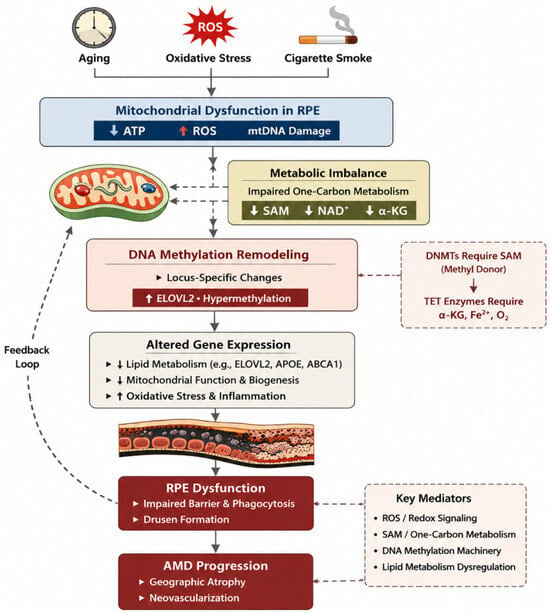
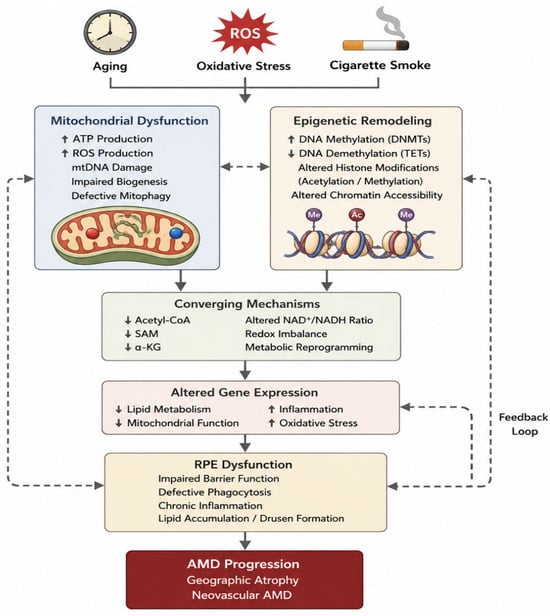
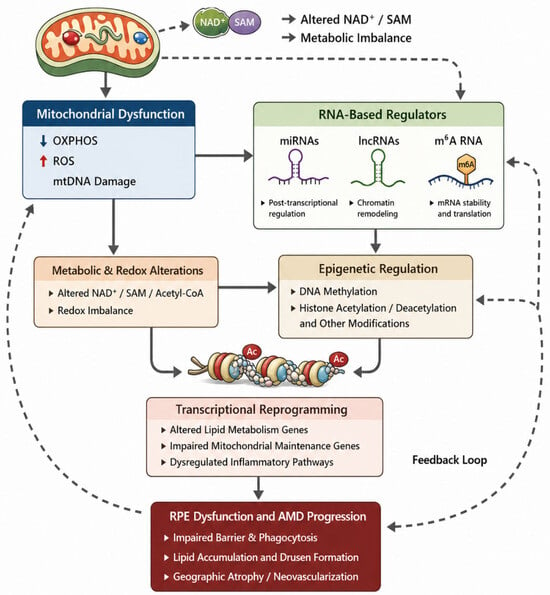
Age-related macular degeneration (AMD) is a leading cause of irreversible vision loss in older adults and is characterized by progressive dysfunction of the retinal pigment epithelium (RPE). Although genetic susceptibility and environmental exposure both contribute to disease risk, the mechanisms through which chronic metabolic and oxidative stress are integrated into sustained RPE dysfunction remain incompletely understood. Increasing evidence from human AMD donor tissue and experimental RPE models indicates that epigenetic regulation operates at the interface between mitochondrial dysfunction, redox imbalance, and transcriptional remodeling. This review synthesizes current findings on DNA methylation, chromatin accessibility, histone modification, and RNA-based regulation in AMD, with emphasis on their metabolic and mitochondrial context. Studies in human AMD-RPE demonstrate that epigenetic alterations are generally selective rather than global and frequently involve pathways related to mitochondrial maintenance, lipid metabolism, oxidative stress responses, and cellular homeostasis. Mechanistically, mitochondrial dysfunction and reactive oxygen species (ROS) may influence epigenetic regulation through altered Nicotinamide adenine dinucleotide (NAD+) availability, acetyl-CoA metabolism, redox-sensitive chromatin regulation, and modulation of DNA methyltransferase and histone deacetylase activity. Redox-sensitive pathways, including antioxidant signaling, further connect mitochondrial stress to adaptive or maladaptive transcriptional responses in the RPE. Importantly, while several interactions discussed are supported by findings in human AMD tissue, other components of the proposed epigenetic–mitochondrial–redox framework remain inferential or model-based and require further validation. Rather than acting as isolated disease triggers, epigenetic changes are more likely to function as stress-responsive regulatory layers that stabilize transcriptional states over time in a long-lived post-mitotic tissue. We further discuss unresolved questions regarding causality, reversibility, therapeutic feasibility, and stage-specific intervention strategies. Collectively, this framework positions the epigenetic–mitochondrial–redox axis as a unifying model for understanding RPE vulnerability and AMD progression.
Full article
(This article belongs to the Special Issue The Role of Oxidative Stress in Age-Related and Degenerative Eye Diseases)
►▼
Show Figures

Figure 1
Open AccessArticle
Enzyme-Assisted Ultrasonic Extraction of Flavonoids from Pinus koraiensis Needle Litterfall: Process Optimization, Component Identification, and In Vitro Bioactivity Evaluation
by
Weiwei Liang, Le Ouyang, Chun Bian, Yuxin Shan and Xiufang Xia
Antioxidants 2026, 15(6), 712; https://doi.org/10.3390/antiox15060712 - 3 Jun 2026
Abstract
Flavonoids from Pinus koraiensis needle (PN) litterfall were efficiently recovered using an enzyme-assisted ultrasonic extraction (EAU) method optimized via response surface methodology (RSM). The optimal conditions (enzyme dosage 1.7%, ethanol concentration 70%, ultrasonic time 21 min, cellulase–pectinase ratio 1:3, liquid–solid ratio 40:1, enzymatic
[...] Read more.
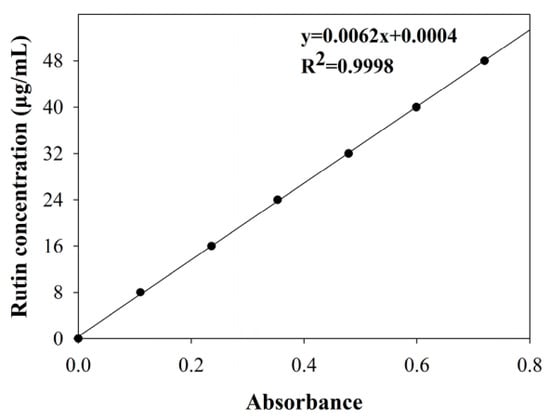
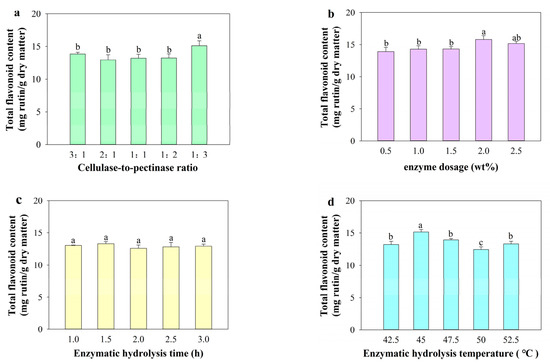
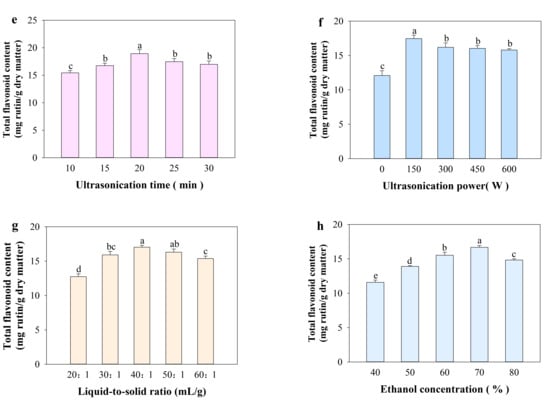
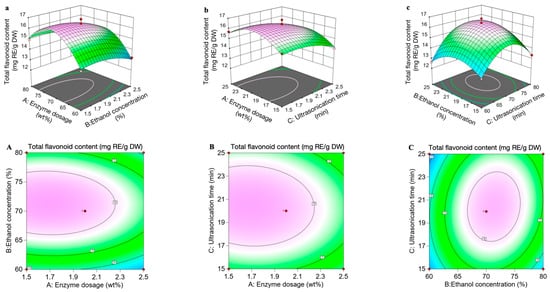
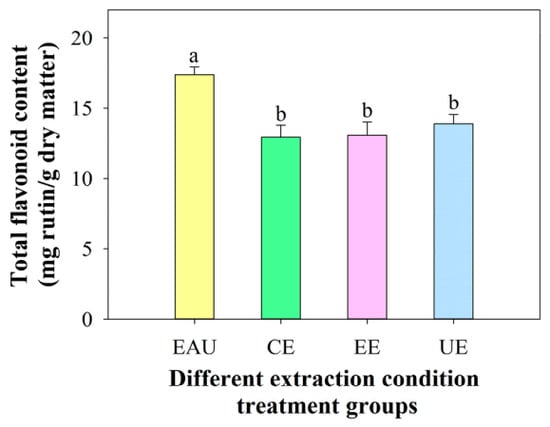
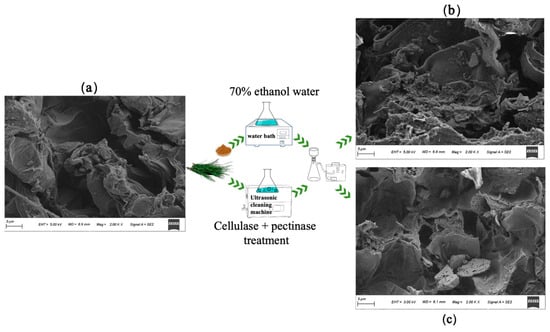
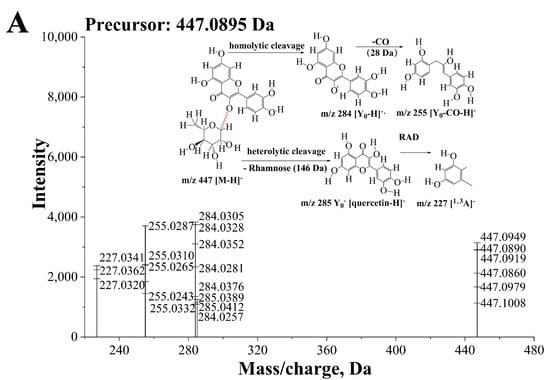
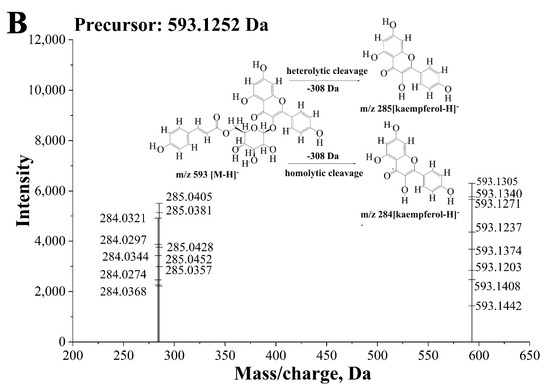
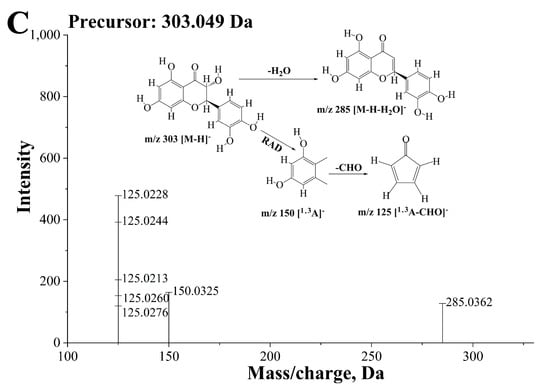
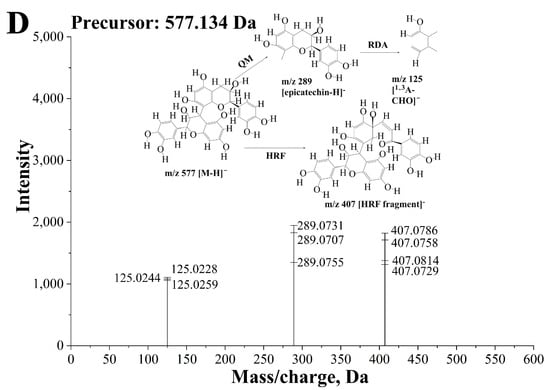
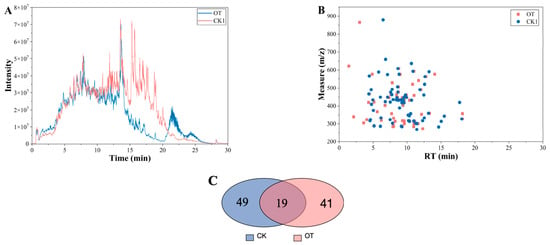
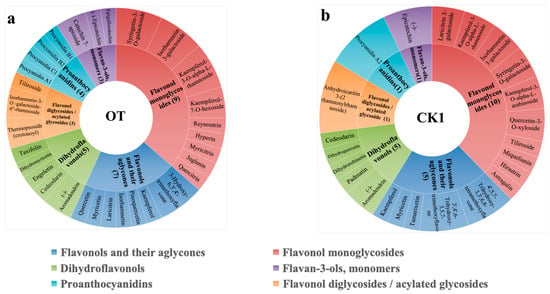
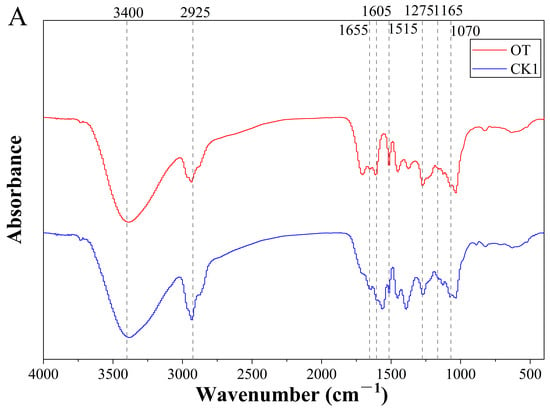
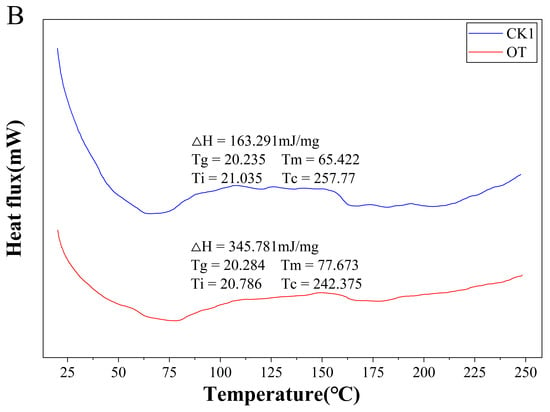
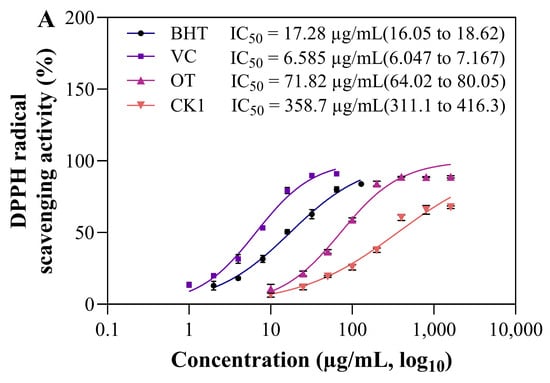
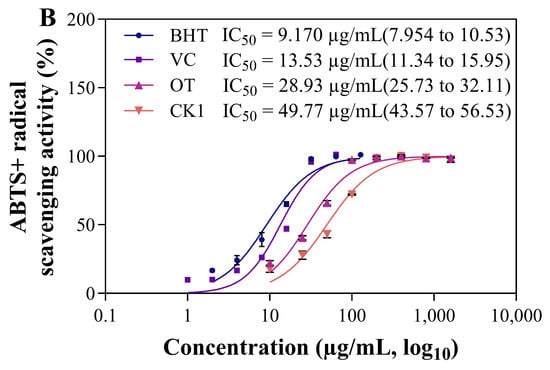
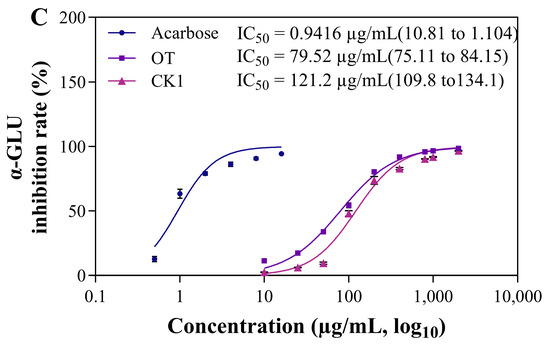
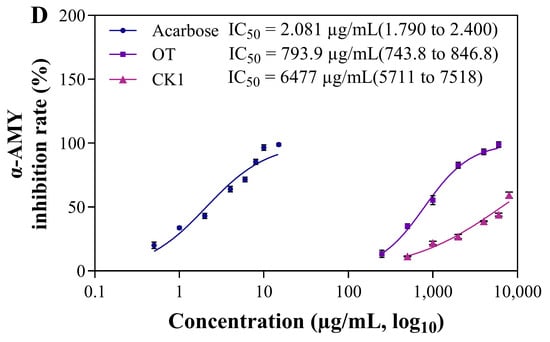
Flavonoids from Pinus koraiensis needle (PN) litterfall were efficiently recovered using an enzyme-assisted ultrasonic extraction (EAU) method optimized via response surface methodology (RSM). The optimal conditions (enzyme dosage 1.7%, ethanol concentration 70%, ultrasonic time 21 min, cellulase–pectinase ratio 1:3, liquid–solid ratio 40:1, enzymatic hydrolysis at 42.5 °C for 1 h, ultrasonic extraction at 50 °C and 150 W) yielded a total flavonoid content (TFC) of 17.08 mg rutin/g, which was significantly higher than that obtained via conventional extraction (CE). Scanning electron microscopy (SEM) confirmed that the treatment disrupted the cell wall, promoting flavonoid release. Ultra-performance liquid chromatography coupled with triple-quadrupole time-of-flight mass spectrometry (UPLC-Triple-TOF/MS) identified 60 flavonoids in the purified extract obtained under the optimal EAU conditions (OT group), including quercitrin, tiliroside, taxifolin, and procyanidin B2. Fourier-transform infrared spectroscopy (FTIR) and differential scanning calorimetry (DSC) showed higher crystallinity but slightly reduced thermal stability for OT flavonoids. Notably, compared with the purified flavonoids obtained by CE (CK1 group), the OT group achieved a higher TFC and exhibited significantly better in vitro antioxidant activity (DPPH IC50 = 71.82 μg/mL; ABTS IC50 = 28.93 μg/mL) and in vitro carbohydrate-digesting-enzyme-inhibitory activity (α-glucosidase (α-GLU) IC50 = 79.52 μg/mL; α-amylase (α-AMY) IC50 = 793.9 μg/mL), with α-AMY inhibition being approximately 8.2-fold higher. These findings suggest that enzyme-assisted ultrasonic extraction is an efficient and reliable method for recovering flavonoids from PN and may provide a theoretical reference for the development and utilization of these flavonoids.
Full article
(This article belongs to the Special Issue Innovative Processing Technologies and Their Effects on Antioxidant Activity in Plant-Derived Natural Products)
►▼
Show Figures

Figure 1
Open AccessArticle
Combined Effects of Dietary Astaxanthin and β-Carotene on Antioxidant Status, Pigmentation, Muscle Quality, and Flavor Profile in Male and Female Macrobrachium rosenbergii
by
Zhouyu Chen, Jianlin Guo, Shunxiao Shi, Pengyuan Zhang, Yansong Xue, Yucai Xue, Bin Han, Kelvin Zhao Kang Ong, Zhixiao Ma, Weidong Yang, Xinjun Gang, Yanzi Liang, Yuhan Guo, Taranat Jiasalati, Amina Moss, Xuxiong Huang, Yukun Zhang and Weilong Wang
Antioxidants 2026, 15(6), 711; https://doi.org/10.3390/antiox15060711 - 3 Jun 2026
Abstract
Carotenoid nutrition plays a crucial role in crustacean aquaculture by regulating antioxidant defense, pigmentation, physiological performance, and edible quality. This study evaluated the combined effects of dietary astaxanthin and β-carotene on antioxidant status, pigmentation, muscle quality, and flavor profile in male and female
[...] Read more.
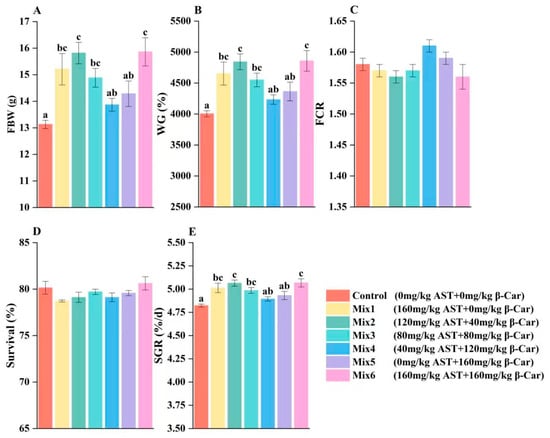
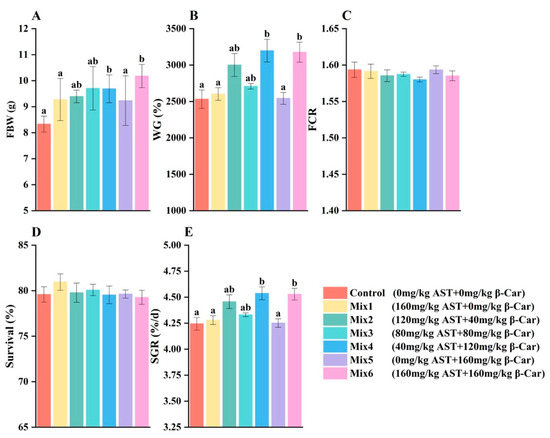
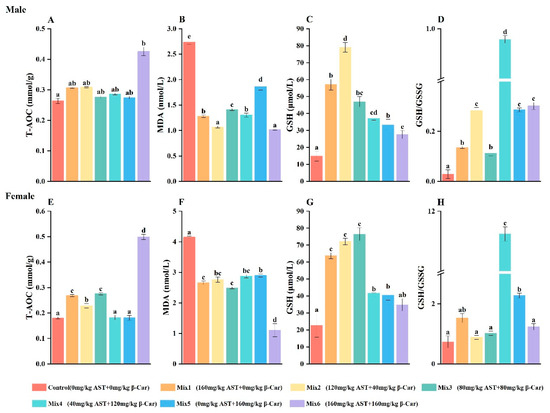
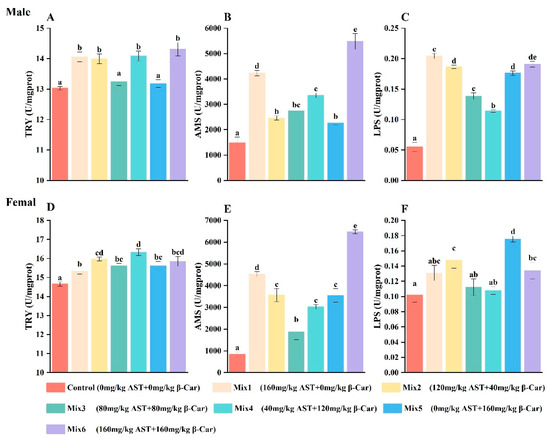
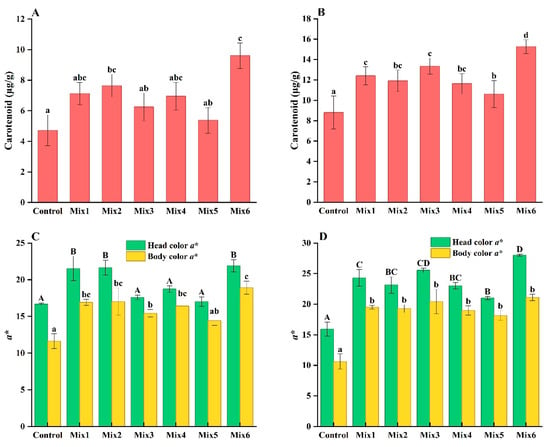
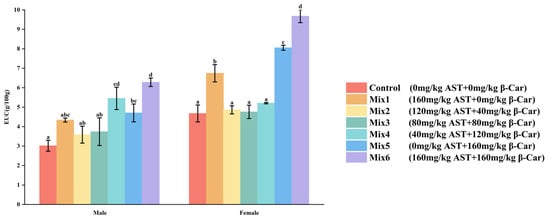
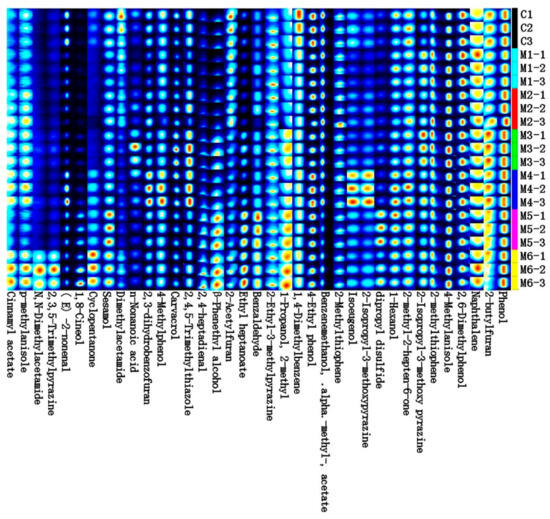
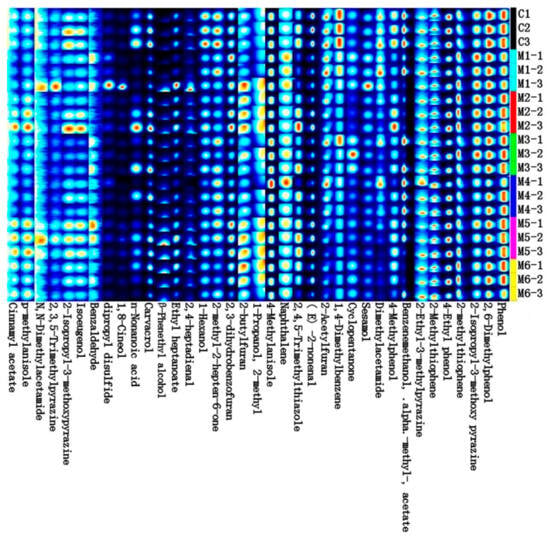
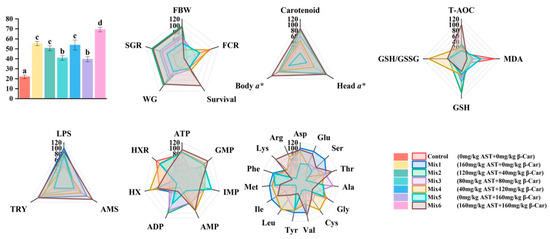
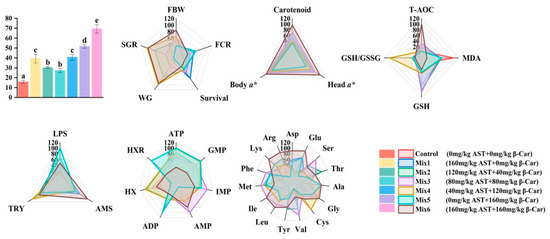
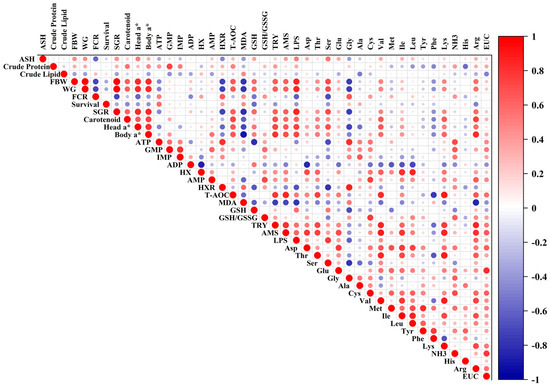
Carotenoid nutrition plays a crucial role in crustacean aquaculture by regulating antioxidant defense, pigmentation, physiological performance, and edible quality. This study evaluated the combined effects of dietary astaxanthin and β-carotene on antioxidant status, pigmentation, muscle quality, and flavor profile in male and female Macrobrachium rosenbergii. Seven isonitrogenous and isolipidic diets were formulated, including a carotenoid-free control and six diets supplemented with different astaxanthin and β-carotene combinations. After a 77-day feeding trial, growth performance, antioxidant parameters, digestive enzyme activities, carotenoid deposition, body coloration, muscle texture, free amino acids, flavor nucleotides, equivalent umami concentration, and volatile flavor compounds were systematically assessed. Dietary carotenoid supplementation improved growth performance in both sexes, although the response patterns differed between males and females. In males, astaxanthin contributed more prominently to growth and several physiological traits, whereas in females, astaxanthin, β-carotene, and their interaction significantly affected multiple response variables. Carotenoid supplementation enhanced antioxidant capacity, carotenoid deposition, body redness, muscle texture, and flavor-related traits. GC-IMS analysis further revealed sex-dependent remodeling of volatile flavor profiles under different carotenoid combinations. Among all treatments, the combined high-dose diet containing 160 mg/kg astaxanthin and 160 mg/kg β-carotene showed the best overall performance in both sexes. These findings indicate that dietary astaxanthin and β-carotene combinations exert compound- and sex-dependent effects in M. rosenbergii and provide a basis for developing sex-specific functional feeds.
Full article
(This article belongs to the Special Issue Antioxidants and Aquaculture: A Synergistic Approach for Sustainable Aquatic Production—2nd Edition)
►▼
Show Figures

Figure 1
Open AccessReview
The Pathophysiological Interrelationship Between Metabolic Dysfunction-Associated Steatotic Liver Disease and Cardiovascular Disease
by
Adrián Róbert Gál, István Szokodi, Zoltán Vizvári, Nina Győrfi, András Vereczkei, Zoltán Petykó, Zoltán Karádi and Attila Tóth
Antioxidants 2026, 15(6), 710; https://doi.org/10.3390/antiox15060710 - 3 Jun 2026
Abstract
Metabolic dysfunction–associated steatotic liver disease (MASLD) is a highly prevalent multisystem disorder and is strongly associated with increased cardiovascular risk. Cardiovascular diseases represent the leading cause of mortality in this population. As the hepatic manifestation of systemic metabolic dysfunction, MASLD is initiated by
[...] Read more.
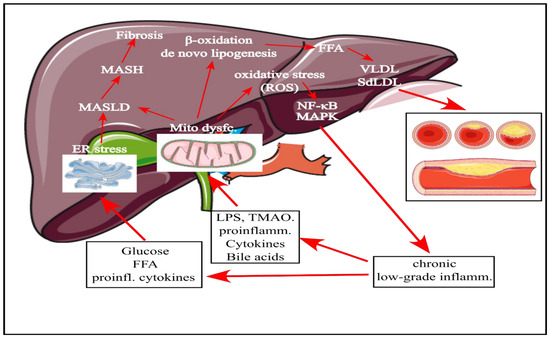
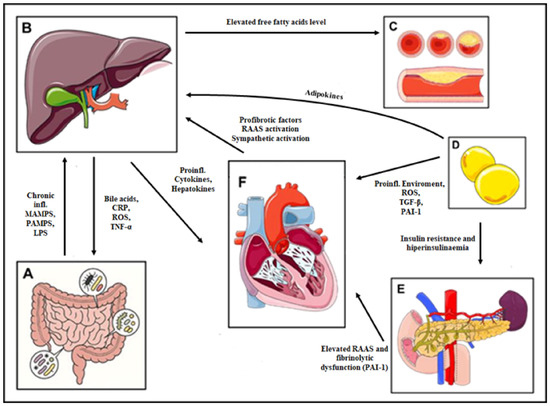
Metabolic dysfunction–associated steatotic liver disease (MASLD) is a highly prevalent multisystem disorder and is strongly associated with increased cardiovascular risk. Cardiovascular diseases represent the leading cause of mortality in this population. As the hepatic manifestation of systemic metabolic dysfunction, MASLD is initiated by excess lipid accumulation driven by increased dietary fatty acid intake and accelerated de novo lipogenesis. This triglyceride overload induces lipotoxicity, triggering hepatocellular injury, immune activation, and mitochondrial dysfunction. Excessive mitochondrial reactive oxygen species (ROS) generation acts as a critical second hit, promoting inflammatory cytokine production and disease progression. Beyond lipid dysregulation, impaired hepatic insulin signaling leads to hyperglycemia and compensatory hyperinsulinemia, further stimulating lipogenesis and reinforcing a self-perpetuating metabolic cycle. Persistent ROS production overwhelms antioxidant defenses and depletes hepatic glutathione (GSH), resulting in systemic redox imbalance. These disturbances extend beyond the liver, contributing to atherogenic dyslipidemia and chronic inflammation. In parallel, gut dysbiosis and increased intestinal permeability amplify immune activation. Reduced circulating GSH further weakens systemic antioxidant capacity; oxidative stress may represent a central mechanistic link between MASLD and CVD. In concert with metabolic and inflammatory mediators, ROS disrupt pathways governing vascular and myocardial homeostasis, leading to coronary atherosclerosis, microvascular dysfunction, left ventricular remodeling, hypertrophy, and impaired relaxation. Clinically, this translates into an increased burden of coronary artery disease and heart failure, particularly heart failure with preserved ejection fraction. Given this integrated pathophysiology, early identification of subclinical cardiovascular involvement is essential. We highlight emerging biomarkers, advocate for multidisciplinary screening strategies, and discuss integrated pharmacological approaches targeting shared metabolic pathways. Recognizing MASLD as a cardiovascular risk amplifier is critical for improving risk stratification and enabling the development of effective, co-targeted therapeutic strategies.
Full article
(This article belongs to the Special Issue New Insight into Redox Homeostasis and Oxidative Stress in Health and Disease: Focus on Cardiac and Vascular Function)
►▼
Show Figures

Figure 1
Open AccessArticle
Macroporous Resin Purification of Phenolics from Penthorumchinense Leaves: Phenolic Identification, Composition Analysis, and Biological Activities
by
Qian Lai, Junlin Deng, Manyou Yu, Lu Gan, Yongqing Zhu, Chen Xia, Youmin Ying and Zhuoya Xiang
Antioxidants 2026, 15(6), 709; https://doi.org/10.3390/antiox15060709 - 3 Jun 2026
Abstract
In this study, 20% ethanol elution fraction(PC-20), 40% ethanol elution fraction(PC-40), 60% ethanol elution fraction(PC-60), and 80% ethanol elution fraction (PC-80)of Penthorum chinense polyphenols were obtained using AB-8 macroporous resin . Their in vitro bioactivities were compared to explore potential applications. A comprehensive
[...] Read more.
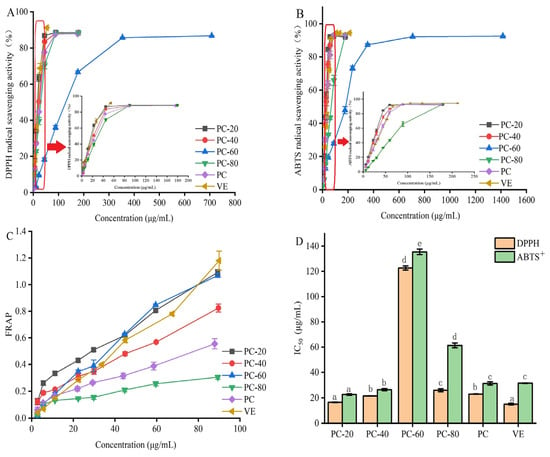
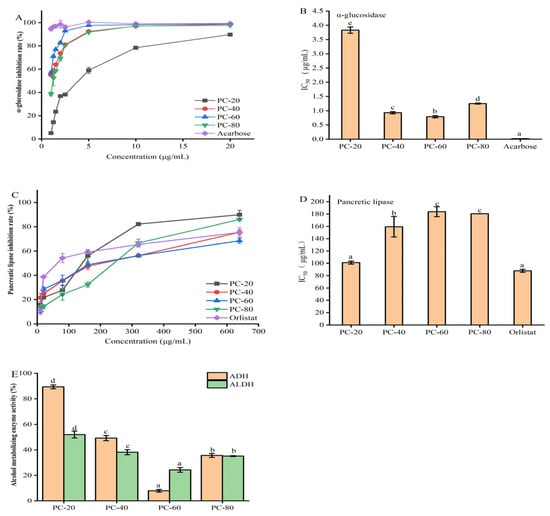
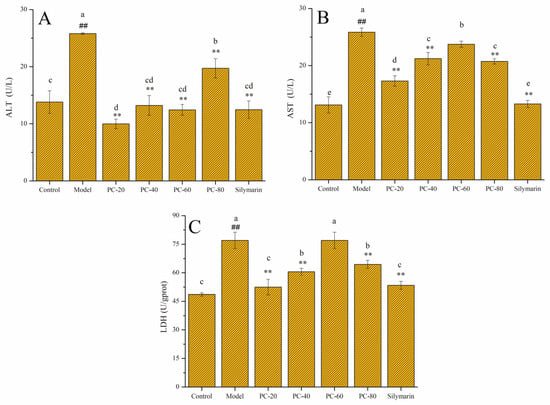
In this study, 20% ethanol elution fraction(PC-20), 40% ethanol elution fraction(PC-40), 60% ethanol elution fraction(PC-60), and 80% ethanol elution fraction (PC-80)of Penthorum chinense polyphenols were obtained using AB-8 macroporous resin . Their in vitro bioactivities were compared to explore potential applications. A comprehensive phytochemical analysis identified 85 compounds, including 16 phenolic acids, 36 flavonoids, 24 hydrolyzed tannins, 7 anthocyanins, and 2 others. The results showed clear ethanol concentration-dependent variations in both compound composition and bioactivity. PC-20 had the highest levels of total polyphenols (418.45 mg/g), proanthocyanidins (84.95 mg/g), and tannins (10.61 mg/g), and also showed the best antioxidant capacity. PC-40 contained the most flavonoids (227.55 mg/g). PC-60 gave the strongest α-glucosidase inhibition (IC50 = 0.79 µg/mL), while PC-20 was most effective against pancreatic lipase (IC50 = 101.06 µg/mL) and also significantly activated the enzymes ADH and ALDH. Overall, PC-20 appears more suitable for applications aimed at antioxidant, anti-obesity, or liver-protective effects, whereas PC-60 is more promising for blood glucose control. This work provides a practical basis for selecting different ethanol fractions of P. chinense polyphenols according to specific functional needs.
Full article
(This article belongs to the Special Issue Antioxidant Activity of Natural Bioactive Compounds in Food and Agricultural Byproducts)
►▼
Show Figures

Figure 1
Open AccessArticle
Transcriptomic Analysis Suggests Shoots and Roots-Specific Antioxidant Responses to Early-/Long-Term Salt Stress in Brassica napus
by
Xianmin Meng, Lei Lei, Weirong Wang, Hongwei Li and Jifeng Zhu
Antioxidants 2026, 15(6), 708; https://doi.org/10.3390/antiox15060708 - 3 Jun 2026
Abstract
►▼
Show Figures
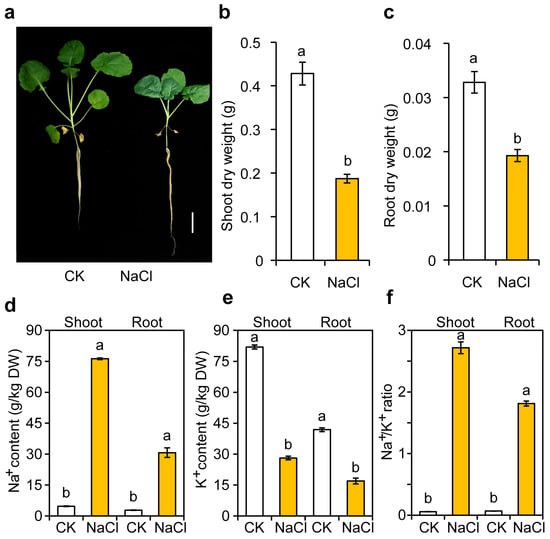
Salinity stress progressively restricts rapeseed (Brassica napus L.) growth and productivity. However, the molecular mechanism underlying its tolerance remains poorly understood. This study aims to shed light on differential responses between shoots and roots, and further clarify the regulatory mechanisms of ion
[...] Read more.
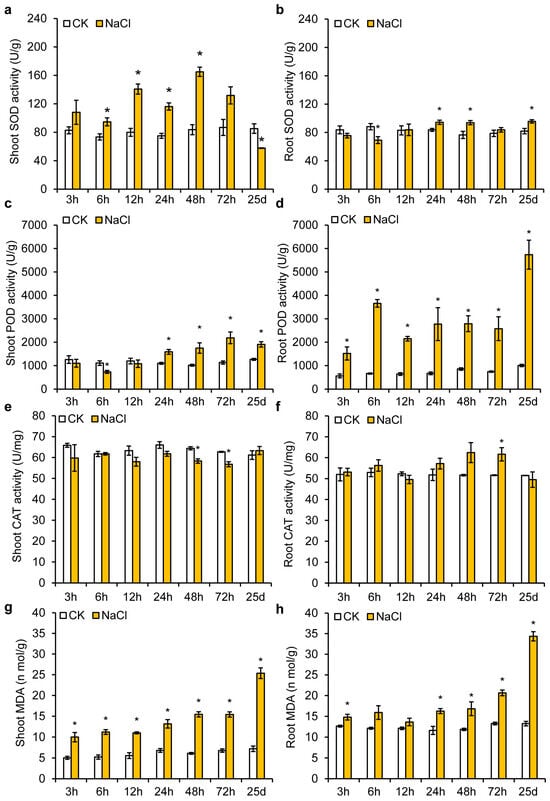
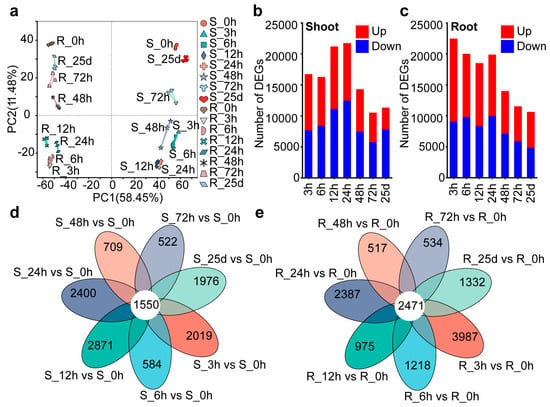
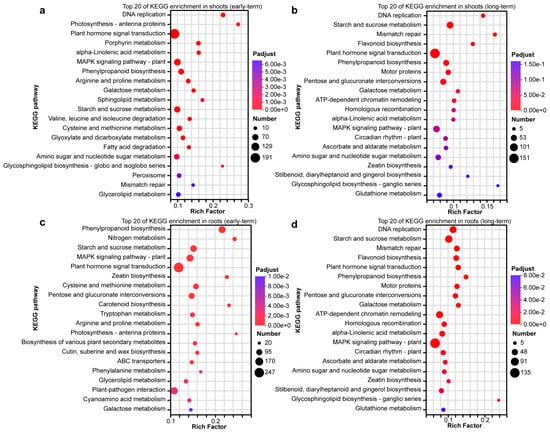
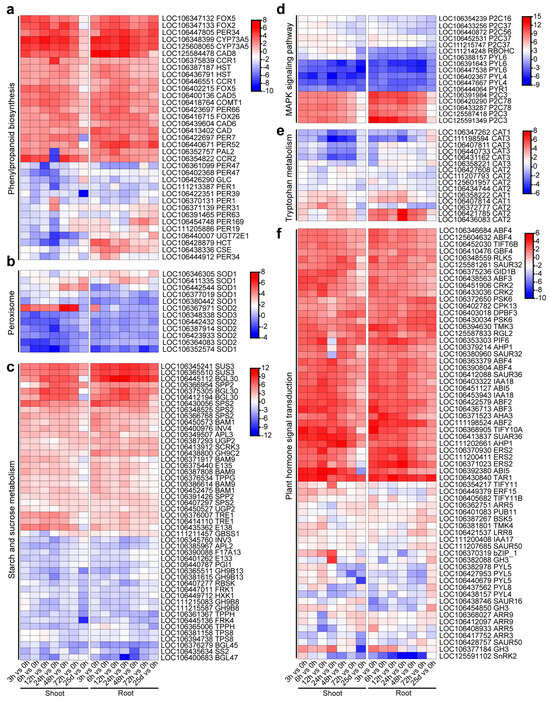
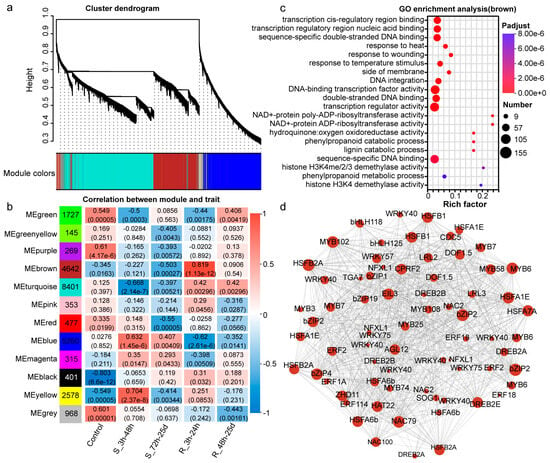
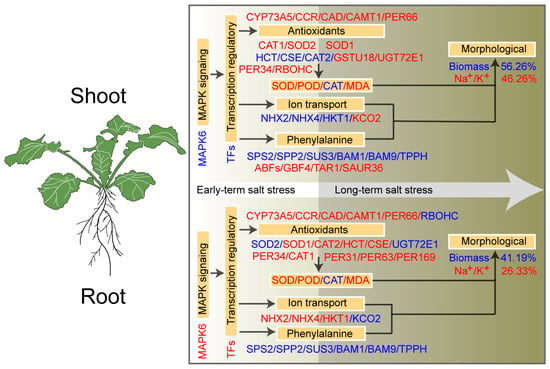
Salinity stress progressively restricts rapeseed (Brassica napus L.) growth and productivity. However, the molecular mechanism underlying its tolerance remains poorly understood. This study aims to shed light on differential responses between shoots and roots, and further clarify the regulatory mechanisms of ion homeostasis and oxidative defense under early-and long-term salt stress. Under salt stress, the Na+/K+ ratio increased by 46.26% and 26.33% in shoots and roots, respectively. Activities of SOD and POD increased in both tissues, while CAT activity declined in shoots. MDA content was significantly higher in roots. Transcriptome PCA clearly separated samples of early-term (3–48 h for shoots, 3–24 h for roots) from long-term (72 h 25 d for shoots, 48 h 25 d for roots) salt stress. SOD2 and UGT72E1 were significantly up-regulated in shoots but down-regulated in roots. CAT2 exhibited strongly up-regulation in roots than shoots, whereas RBOHC was markedly down-regulated in roots relative to shoots. Additionally, CAT1 was mainly up-regulated at the early-term salt stress. Most DEGs involved in phenylpropanoid biosynthesis (CYP73A5, PAL2, CCR1/2, CAD1/5, COMT1 and PER66) were up-regulated in both tissues. Notably, HCT and CSE exhibited a striking tissue-specific antioxidant pattern, down-regulated in shoots but up-regulated in roots. PER34 was specifically induced at early-term, and PER31/63/169 were exclusively activated under long-term salt stress in roots. Moreover, we performed weighted gene co-expression network analysis (WGCNA) to describe tissue- and time-specific transcriptional dynamics that occur in rapeseed under salt stress. Several hub genes, including ABI5, MPK6, CAD5, NADK1 and LFG2, exhibited high correlations with early-term salt stress responses in roots. These genes are mainly enriched in transcription factors and hormone signaling pathways, and function in antioxidant defense and redox homeostasis. This study suggests distinct spatiotemporal salt stress response patterns in rapeseed and identifies key genes for salt-tolerance breeding.
Full article

Figure 1
Journal Menu
► ▼ Journal Menu-
- Antioxidants Home
- Aims & Scope
- Editorial Board
- Reviewer Board
- Topical Advisory Panel
- Early Career Editorial Board
- Instructions for Authors
- Special Issues
- Topics
- Sections & Collections
- Article Processing Charge
- Indexing & Archiving
- Editor’s Choice Articles
- Most Cited & Viewed
- Journal Statistics
- Journal History
- Journal Awards
- Society Collaborations
- Conferences
- Editorial Office
Journal Browser
► ▼ Journal BrowserHighly Accessed Articles
Latest Books
E-Mail Alert
News
15 May 2026
Nutrients 2026—Clinical Nutrition: From Research to Practice—Submissions Approaching & Plenary Speaker Announcement, 22–24 October 2026, Barcelona, Spain
8 June 2026
Meet Us at the 2026 Human Proteome Organization World Congress, 27 September–1 October 2026, Singapore
Topics
Topic in
Antioxidants, Biomedicines, IJMS, Life, Oxygen, Cosmetics, Nutraceuticals
Oxidative Stress and Inflammation, 3rd Edition
Topic Editors: Maria Letizia Manca, Amparo Nacher, Matteo Perra, Ines Castangia, Mohamad AllawDeadline: 31 July 2026
Topic in
Animals, Antioxidants, Fishes, Biology
Immunology and Disease Prevention and Control in Aquatic Animals
Topic Editors: Hongliang Zuo, Jiejie Sun, Linwei YangDeadline: 31 August 2026
Topic in
Animals, Antioxidants, Metabolites, Pets, Veterinary Sciences
Research on Companion Animal Nutrition
Topic Editors: Baichuan Deng, Lian Li, Yun JiDeadline: 26 October 2026
Topic in
Antioxidants, Biomedicines, Biomolecules, Cells, IJMS, Metabolites, Nutrients, Sci
Muscle Aging and Sarcopenia: Mechanisms, Metabolic Regulation, and Intervention Strategies
Topic Editors: Hélio José Coelho Júnior, Mariam El Assar, Javier AnguloDeadline: 15 December 2026
Conferences
Special Issues
Special Issue in
Antioxidants
Oxidative Stress in Lung Diseases
Guest Editor: Rudolf LucasDeadline: 15 June 2026
Special Issue in
Antioxidants
Antioxidant Activity of Polyphenolic Extracts
Guest Editor: Dimitrios StagosDeadline: 15 June 2026
Special Issue in
Antioxidants
Hormonal and Redox Regulation in Cancer, Metabolic Dysfunction, and Neurodegenerative Diseases
Guest Editor: Moon Nyeo ParkDeadline: 20 June 2026
Special Issue in
Antioxidants
Oxidative Stress in Pregnant Women and Fetuses
Guest Editors: Javier Diaz-Castro, Julio J. Ochoa Herrera, Jorge Moreno-FernandezDeadline: 20 June 2026
Topical Collections
Topical Collection in
Antioxidants
Advances in Antioxidant Ingredients from Natural Products
Collection Editors: Carla Susana Correia Pereira, Lillian Barros